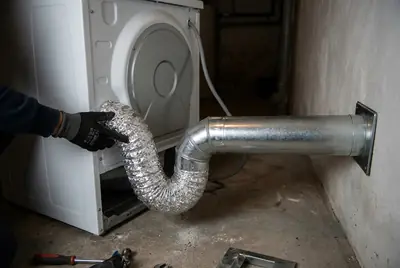
Thinking about getting that clothes dryer to work a little better? You've come to the right place. We're diving deep into how keeping its essential passageways clear makes a huge difference in your home.
Unclogging the Path to Better Drying
You know that feeling when you pull clothes out of the dryer, and they're still damp? It's not just annoying; it can actually be a sign that something's not quite right with the system that removes hot, moist air from your laundry room. This is especially true if your laundry cycle is taking much longer than it used to. Over time, lint, dust, and other tiny particles can build up, creating a real roadblock.
This buildup inside the flexible tubing and rigid pipes leading from your appliance to the outside of your home is more than just a nuisance. It directly impacts how efficiently your machine operates. When the airflow is restricted, your dryer has to work much harder and run for longer periods to get your clothes dry. Which means you're spending more time waiting around and, let's be honest, using more energy.
The Hidden Danger Lurking in Your Walls
Now, let's talk about something that might make you a little uneasy. That fluffy stuff you find in your dryer's lint trap? It's highly flammable. When this lint accumulates in the vents, it creates a significant fire hazard. This isn't just a theoretical risk; it's a real concern for many homeowners.
Think about the heat generated by your dryer during operation. Combine that with a buildup of highly combustible material in an enclosed space, and you've got a recipe for disaster. Keeping these pathways clear is absolutely crucial for preventing potential fires and keeping your household safe. This is a serious matter that deserves your full attention.
Why That Long Drying Time is a Red Flag
Have you noticed your laundry cycles stretching out lately? It's a common symptom of a vent system that's seen better days. When air can't escape freely, your dryer's heating element has to work overtime to achieve dryness. This inefficiency translates directly into longer drying times.
Furthermore, this constant extra effort puts a strain on your appliance itself. It's like asking a runner to sprint through a narrow tunnel; it's just not going to be as effective or as quick. This added stress can shorten the lifespan of your dryer, leading to premature breakdowns and costly repairs down the line. You want your appliances to last, right?
The Benefits of a Clean Airflow Pathway
So, what happens when you decide to tackle those clogged pathways? The advantages are pretty clear, and they touch on a few important aspects of your home life. Getting this sorted out makes a noticeable difference.
Speedier Cycles, Happier You
When the air can move freely, your dryer operates at peak efficiency. This means your clothes will come out drier, faster. Imagine cutting down your drying time significantly. You'll have more time for yourself, and less time waiting for that buzzer to go off.
This improved performance is a direct result of unobstructed airflow. It allows the moist air to be expelled quickly and efficiently. Which means your laundry gets done without the frustrating delays you might have gotten used to.
Saving Energy and Money
An inefficient dryer is an energy hog. By forcing it to run longer, you're consuming more electricity or gas than you need to. Clearing out the buildup allows your machine to use less energy to achieve the same (or better) results. Over time, this can lead to a noticeable reduction in your utility bills.
Think of it like this: a clear pipe allows water to flow easily. A clogged pipe makes the pump work harder and use more power. The same principle applies to your dryer's venting system. This translates into real savings, month after month.
Extending the Life of Your Appliance
As we touched on earlier, a struggling dryer is one that's wearing out faster. When it doesn't have to work as hard to dry your clothes, it experiences less stress on its internal components. This can significantly prolong its operational life. You invest a good chunk of change in your appliances, so you want them to last as long as possible.
This preventative measure is far more cost-effective than dealing with a broken-down dryer. Regular maintenance, like keeping the air pathways clear, is key to getting the most out of your investment. It's a smart way to protect your belongings.
Peace of Mind and Safety
Let's circle back to the fire risk. A clean vent system significantly reduces the chances of a dryer-related fire. This is perhaps the most critical benefit of all. Knowing that this potential hazard has been addressed provides invaluable peace of mind for you and your family.
You want your home to be a safe haven. Addressing potential risks, especially those related to flammable materials and heat-generating appliances, is a fundamental part of responsible homeownership. This is about protecting what matters most.
What's Involved in a Professional Cleaning?
You might be wondering what actually goes into getting these essential pathways cleaned. It's not just about sticking a vacuum cleaner hose in the opening. Professional services use specialized tools and techniques to ensure a thorough job.
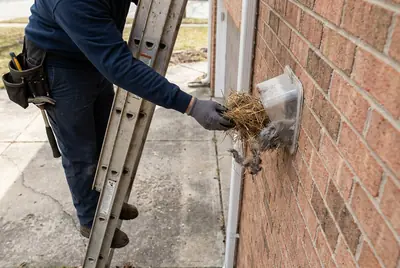
Our process starts with a careful inspection of your entire venting system. We'll look for any signs of damage, excessive buildup, or potential blockages. This initial assessment helps us understand the scope of the work needed. We want to make sure we're addressing every part of the problem.
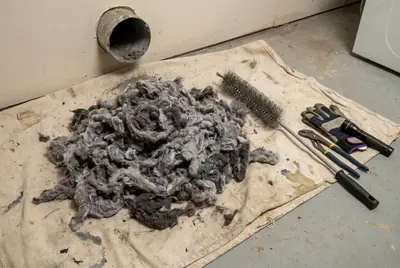
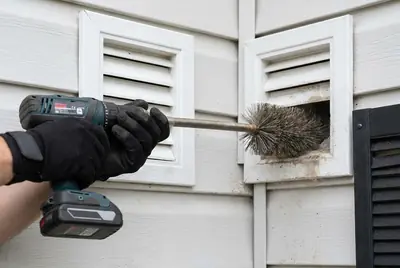
Then, we use specialized equipment. Think long, flexible rods with brushes and powerful vacuums. These tools are designed to reach deep into the ductwork, dislodging and removing lint, dust, and debris that a regular vacuum can't touch. We get into all the nooks and crannies.
We also pay close attention to the transition duct, that flexible hose connecting your dryer to the wall. This is often a major collection point for lint and can be easily crushed or kinked, further restricting airflow. We ensure this critical link is clear and properly connected.
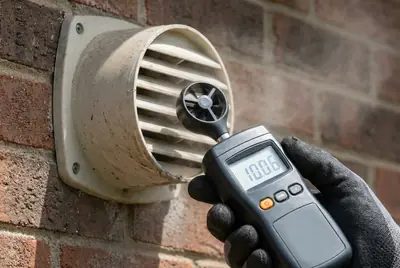
Finally, we'll test the airflow after cleaning to confirm that your dryer is now venting properly. This ensures the job is done right and that you'll see the benefits immediately. We want you to be completely satisfied with the results.
The Role of the Lint Trap and Beyond
Your lint trap is your first line of defense, and it's vital to clean it after every single load. However, it's not designed to catch everything. Smaller particles and dust bypass the trap and make their way into the ductwork. That's where professional attention becomes necessary.
The ductwork itself can be quite extensive, running through walls and floors to reach the exterior of your home. Over its length, lint can accumulate, forming dense mats that severely impede airflow. These deeper blockages are impossible to reach without the right tools and expertise.
Signs You Might Need Attention
Besides longer drying times, other indicators suggest it's time for a professional cleaning. If the exterior vent flap doesn't open much when the dryer is running, that's a pretty clear sign. Also, if the dryer itself feels unusually hot to the touch after a cycle, that's not a good sign either.
You might also notice a persistent musty smell in your laundry area or even an increase in static cling on your clothes. These can all be subtle hints that the system isn't venting properly. Paying attention to these signals can save you from bigger problems later on.
Why Choose a Local Professional in Bath County?
When it comes to taking care of your home, especially here in the beautiful, sprawling landscapes of Bath County, Virginia, choosing local makes a lot of sense. We understand the unique challenges and the environment you live in. Knowing the area, from the rolling hills to the specific types of homes, helps us provide a more tailored service.
We're not some faceless national corporation. We're your neighbors. This means we're invested in the community and in providing reliable, trustworthy service to people we see at the grocery store or at local events. Our reputation is built on doing good work for our friends and neighbors.
Personalized Service, Not One-Size-Fits-All
Because we operate locally, we can offer a level of personalized attention that larger companies often can't match. We take the time to get to know you and your specific needs. We're not just looking to get in and out as quickly as possible.
We'll walk you through the process, explain what we find, and answer all your questions. Our goal is to ensure you understand the importance of this service and feel good about the work we do. This builds a relationship based on trust and transparency.
Supporting Your Local Economy
When you choose a local service provider, you're not just getting your dryer vents cleaned; you're also supporting the local economy right here in Bath County. Your money stays within the community, helping to support local jobs and businesses. It's a way to invest back into the place we all call home.
We operate within the specific zip codes that make up this region, understanding the logistics of reaching every household efficiently. Whether you're in a more secluded rural setting or closer to one of the small towns, we're equipped to serve you.
Understanding Our Environment
Living here means dealing with specific weather patterns and environmental factors. For instance, the humidity levels can affect how lint clumps and adheres within the vents. Our local knowledge allows us to anticipate and address these conditions effectively, ensuring a more robust and lasting clean. We know what works best in our neck of the woods.
We're familiar with the building styles common in this part of Virginia, which can influence how dryer vents are installed and where potential problem areas might lie. This local insight translates into more effective and precise service for you.
Taking the Next Step for a Safer, More Efficient Home
You've learned about the risks of clogged dryer vents, the many benefits of keeping them clear, and why choosing a local professional is a smart move. Now, what's the easiest way to get started? It's simpler than you might think.
We offer a completely free, no-obligation estimate for our dryer vent cleaning services. This allows you to understand the exact cost and scope of the work before you commit to anything. You get all the information you need to make an informed decision.
No pressure, no hidden fees. Just honest advice and a clear picture of how we can help improve your home's safety and efficiency. We believe in transparency from the very start.
Think about the peace of mind you'll gain knowing your dryer is operating safely and efficiently. Consider the time and money you'll save with faster drying cycles and reduced energy consumption. It's a small investment for significant returns.
So, if you're ready to banish those long drying times, reduce your fire risk, and give your dryer a new lease on life, reaching out is your next step. We're here to help make your home a better, safer place. Let us take care of the dirty work so you don't have to worry.