Keeping your home safe from hidden fire hazards
Today you need to think about that fuzzy gray lint piling up behind your laundry machine. Neglecting this chore puts your whole house at risk of a sudden blaze. Fortunately, local pros in Hunterdon County, New Jersey, can fix this right away.
Meanwhile, most folks completely forget about the exhaust pipe snaking through their walls. This oversight leads to wasted electricity and ruined clothes. Because of that, you should schedule routine maintenance to protect your family and wallet.
Understanding the hidden dangers
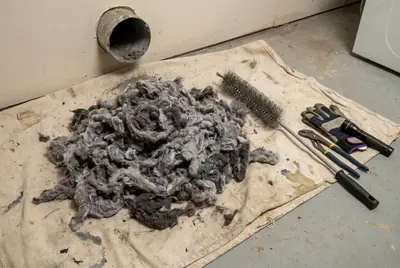
Your laundry machine pushes hot humid air outside every single cycle. Over time, tiny fibers slip past the lint trap and stick to the inner walls of the metal tubing. Consequently, this buildup narrows the pathway and forces the motor to work much harder.
That extra strain causes overheating, which easily sparks a devastating domestic fire. Without proper upkeep, you invite disaster right into your laundry room. Therefore, hiring a local contractor to clear out the debris brings true peace of mind.
Recognizing the warning signs
Have you noticed your laundry taking two full cycles to dry lately? That frustrating delay means moisture cannot escape your setup properly. Ultimately, this symptom points directly to a severely blocked exhaust line.
On top of that, your machine might feel burning hot to the touch after a standard load. This excessive heat signals an urgent need for professional intervention. By addressing these red flags quickly, you prevent costly appliance breakdowns.
Why local homeowners need regular maintenance
Living in our scenic garden state means dealing with changing seasons that affect your household routines. During freezing winters, your drying unit runs constantly to handle heavy winter coats and blankets. Because of this heavy usage, lint accumulates much faster than normal.
Plus, older properties often feature winding exhaust routes with multiple sharp bends. These tricky angles trap debris much easier than straight modern setups. Hiring a skilled technician ensures every hidden pocket gets thoroughly scoured.
Protecting your household budget
Every single cycle costs you extra money when your airflow is restricted. Your electric bill creeps higher month after month without any obvious reason. Fixing this issue immediately lowers your energy consumption and saves you cash.
Furthermore, premature appliance failure drains your savings account much faster than routine service calls. Replacing a broken heating element costs way more than a simple preventative visit. Making the smart choice today preserves your hard earned money.
Healthier indoor air quality
Blocked exhaust lines sometimes leak microscopic dust particles directly into your living spaces. Breathing in that stuff triggers allergies and respiratory issues for sensitive family members. Clearing out the gunk lets your home breathe easier every day.
Meanwhile, trapping excess moisture inside your walls promotes dangerous mold growth. That hidden fungus creates severe health risks that nobody wants to deal with. Professional upkeep stops those nasty spores before they spread.
What to expect during a professional service visit
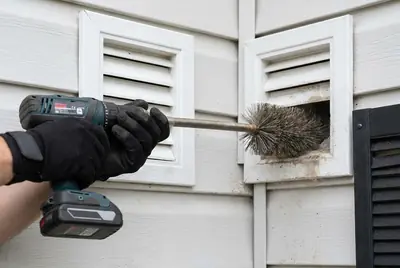
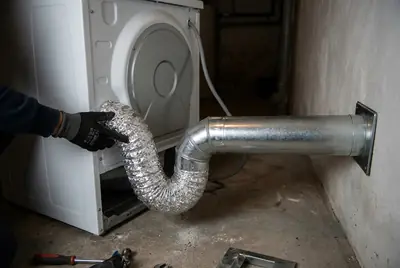
When you invite a qualified crew into your home, they bring specialized rotating brushes and high powered vacuums. These tools scrub the interior walls of your tubing without causing any structural damage. Consequently, you get a spotless pathway from the back of your machine to the outdoor flap.
Before starting the job, reputable local specialists always provide a transparent assessment of your setup. This honesty lets you understand the exact condition of your exhaust system. You never have to worry about hidden fees or surprise charges.
The step by step cleaning process
Technicians begin by disconnecting the flexible transition hose behind your primary washing appliance. Next, they insert flexible rods equipped with stiff nylon brushes deep into the metal shaft. This mechanical action dislodges stubborn clumps of compressed fuzz.
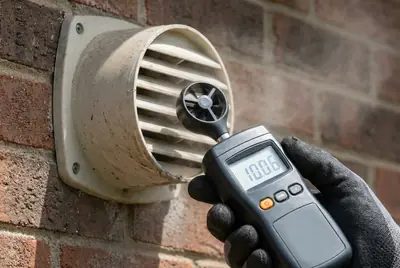
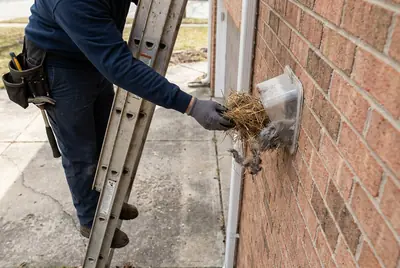
After loosening everything up, a powerful industrial vacuum sucks out all the dangerous debris. Finally, they test the outdoor flap to ensure proper airflow and closing mechanisms. This meticulous procedure guarantees optimal performance for months to come.
Comparing DIY attempts versus professional help
Some brave souls try using cheap store bought kits with a standard household vacuum cleaner. Unfortunately, those flimsy plastic rods usually snap off inside the walls. Extracting a stuck brush turns into a massive headache and an expensive repair bill.
Professional crews possess commercial grade equipment designed specifically to navigate tricky architectural layouts. Their expertise prevents accidental punctures in flexible foil tubing. Trusting experienced hands saves you from disastrous DIY mistakes.
Choosing the right local contractor
Finding a dependable service provider in our region requires looking for proven experience and solid community standing. You want someone who arrives on time and respects your personal property. Checking online reviews helps you identify trustworthy local pros easily.
Furthermore, a legitimate operator always carries proper liability insurance to protect your home. This coverage guarantees you are never held financially responsible for accidental workplace mishaps. Always ask about insurance before signing any service agreement.
Key qualities of top notch service providers
Transparency stands out as the number one trait of an honest local tradesperson. They explain the entire procedure in plain English without using confusing jargon. This openness builds immediate trust between you and the technician.
Additionally, punctual arrival and tidy work habits show true respect for your busy schedule. Top tier workers always clean up their workspace before leaving your property. You get pristine results without any messy cleanup left behind.
Understanding our regional service area
Our gorgeous New Jersey community spans numerous historic neighborhoods and modern suburban developments alike. Local technicians understand the unique architectural quirks found in regional housing styles. Whether you live in a sprawling estate or a cozy cottage, expert help is always nearby.
Because regional weather patterns fluctuate wildly between humid summers and icy winters, year round maintenance matters immensely. Staying proactive prevents weather related complications from damaging your exhaust setup. Local pros know exactly how to handle these regional challenges.
Common myths about laundry exhaust upkeep
Many homeowners believe that cleaning the little plastic screen after every load is totally sufficient. Sadly, that routine only catches a fraction of the total lint generated during a cycle. The rest escapes into the hidden tubing system year after year.
Another common misconception is that short exhaust runs never require professional attention. Even a five foot straight pipe gathers enough dust to create a fire hazard over time. Dismissing these myths keeps your household out of harm's way.
Frequency recommendations for busy households
Large families running multiple loads every single day need annual service without exception. Smaller households might get away with bi annual maintenance depending on overall usage patterns. Consulting a local specialist helps you determine the ideal schedule for your specific needs.
Pet owners also need more frequent cleanings because animal fur mixes with lint to form concrete like blockages. Ignoring pet hair buildup drastically accelerates the risk of an appliance fire. Staying ahead of the fur ensures your system runs smoothly.
Taking the next step for your home safety
Protecting your biggest investment starts with making one quick note or filling out a quick online form. Ignoring this vital chore only increases your risk of property damage and wasted utility expenses. Taking action right now guarantees a safer and more efficient living environment.
Remember that preventative care always costs significantly less than emergency repairs or fire restoration. Do not wait until your machine stops working completely or starts smoking. Reach out to dependable local technicians today and secure your peace of mind.
What happens after you request an estimate
Submitting your details triggers a prompt response from our friendly scheduling team. We discuss your specific household setup and find a convenient appointment window that fits your busy calendar. Our straightforward pricing means zero surprises on the day of service.
Once the crew arrives, they work quickly and cleanly to restore your exhaust pathway to factory condition. You immediately notice shorter drying times and lower monthly power bills. Experience the ultimate peace of mind by getting your free estimate right now.
| Maintenance Task |
Recommended Frequency |
Primary Benefit |
| Lint Trap Cleaning |
Every Single Load |
Prevents Immediate Blockages |
| Transition Hose Check |
Every Six Months |
Ensures Proper Airflow |
| Full Exhaust Duct Clearing |
Once a Year |
Eliminates Fire Hazards |
Now is the absolute best time to take control of your household maintenance routine. Reach out today to claim your complimentary project evaluation and pricing estimate. Let our dedicated local crew keep your home running safely all year long.