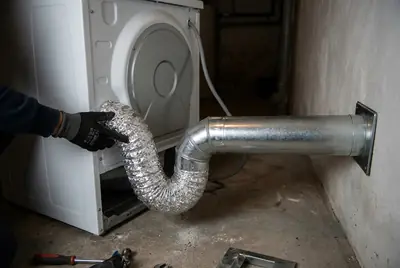
So, your clothes are taking ages to dry and you're finding lint everywhere. This common annoyance might be more than just a minor inconvenience.
Unclogging Your Laundry's Lifeline
You've probably noticed how quickly a load of laundry can pile up, and the last thing you want is for your trusty drying machine to become a bottleneck. When it starts taking longer and longer to get your towels from damp to dry, or if you're seeing fluff clinging stubbornly to your clothes even after a cycle, there's a good chance the pathway for all that hot, moist air is getting blocked. Think of it like your body's own circulatory system; if things get clogged, it's not going to function properly. This vital pathway, the one that whisks away all the humid air and stray fibers generated during the drying process, needs a clear run to do its job efficiently. Without that clear path, your appliance has to work overtime, which isn't good for its lifespan or your energy bill.
The Hidden Dangers Lurking Within
Now, here's where things get a bit more serious than just a minor annoyance. That accumulation of lint and debris isn't just unsightly and inefficient. It's actually a serious fire hazard. Seriously, it's a primary cause of household fires that could have been easily avoided. When that fluffy stuff builds up inside the ductwork connected to your dryer, it becomes incredibly flammable. The heat generated by your dryer, combined with the trapped lint, creates a perfect storm for a potential disaster. You might not even see it happening, as much of this buildup occurs out of sight, within the walls or crawl spaces of your home in Wythe County.
Why Ignoring This Puts You at Risk
You might be thinking, "My dryer seems to be working okay, maybe it's not that bad." But even a partial blockage can have significant consequences. Beyond the obvious fire risk, a restricted airflow means your dryer is working much harder than it needs to. This not only increases your electricity consumption, leading to higher utility bills, something nobody wants in this day and age, but it also puts extra strain on the dryer's components. Over time, this can lead to premature wear and tear, potentially shortening the life of your appliance. You could end up needing costly repairs or even a complete replacement sooner than you anticipated, which is a bummer for your budget.
When Your Dryer Starts Sending Distress Signals
So, how do you know for sure if your dryer's exhaust system needs some attention? There are several telltale signs you can look out for. Beyond the longer drying times and excessive lint on clothes, you might notice that the dryer itself feels unusually hot to the touch after a cycle. Another indicator is if you can smell a burning odor coming from the laundry area. This smell is often a direct result of lint buildup overheating. Sometimes, you might even find moisture on your clothes after a full drying cycle, which is a sure sign that the moist air isn't escaping properly.
The Science Behind the Snag
Let's dig a little deeper into why this happens. Your clothes dryer works by tumbling your wet garments in a drum while circulating heated air through them. This process evaporates the moisture from the fabric. The now-hot, humid air, along with tiny strands of lint shed from your clothes, is then expelled from the dryer through a flexible or rigid duct that runs to the outside of your home. Over time, as clothes tumble and rub against each other, they naturally shed fibers. These fibers, along with other small debris, get caught in the airflow and can start to accumulate inside the ductwork.
A Gradual Buildup You Won't See
This accumulation isn't an overnight phenomenon. It's a gradual process that happens over weeks, months, and even years. As more lint collects, it creates a denser matting within the duct. This matting restricts the airflow, making it harder for the hot air and moisture to escape. It's like trying to breathe through a thick scarf; it's possible, but it's not very efficient. The more restricted the airflow becomes, the harder your dryer's motor has to work to push that air through. This increased effort translates directly into more energy usage and more stress on the machine itself.
Understanding the Anatomy of an Obstruction
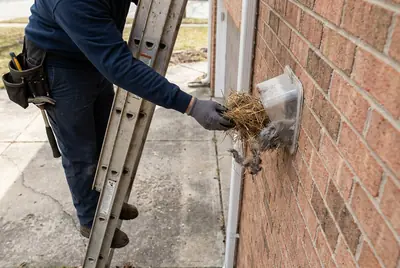
The ductwork itself can vary in design and material. Some systems use flexible plastic or foil ducts, which, while easier to install, can sometimes develop kinks or have a rougher interior surface, making them more prone to lint snagging. More durable systems use rigid metal ducting. Regardless of the material, the principle remains the same: a clear path is essential. Common culprits for blockages include lint traps that aren't cleaned after every single use, allowing lint to bypass the trap and get into the ductwork, or simply the natural shedding of fibers from various types of fabrics you put through your machine.
Beyond the Lint Trap: The Real Problem Area
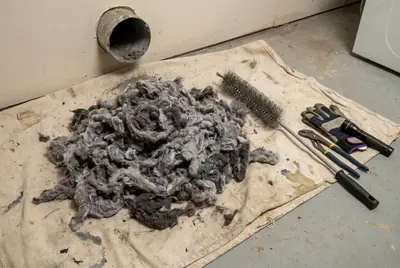
While cleaning your dryer's lint trap after every load is absolutely crucial, and something you should definitely be doing, it's only part of the picture. The lint trap is designed to catch the majority of the fibers, but it's not a perfect system. Tiny particles and smaller fibers can still make their way past the trap and into the main duct that leads outside. Over extended periods, these smaller particles build up, layer upon layer, gradually narrowing the passage. It's this hidden buildup, deep within the vents, that poses the most significant risks and causes the most noticeable performance issues with your dryer.
The Unexpected Consequences of a Blocked Vent
You might be surprised to learn just how many problems a seemingly simple clog can cause. Besides the obvious fire hazard and increased energy costs we've already discussed, a compromised venting system can also lead to other issues. For instance, if moist air isn't escaping properly, it can lead to increased humidity in your laundry room and surrounding areas. This excess moisture can potentially contribute to the growth of mold and mildew, which can be detrimental to your home's air quality and your family's health. It's a domino effect where one problem can create several others.
When Your Dryer Starts Acting Like It's Sick
Think of your dryer like a patient. When it's healthy, it performs its job smoothly and efficiently. But when something's wrong, it starts showing symptoms. Longer drying times are like a fever; the machine's working, but it's struggling. Excessive lint is like a rash, a visible sign of an internal issue. The burning smell? That's a serious alarm bell, indicating something is dangerously overheating. If you're noticing any of these signs, it's time to pay attention and get it checked out by someone who knows what they're looking for. Ignoring these signals is never a good idea.
The Invisible Threat in Your Home
It's easy to forget about the dryer vent. It's tucked away, out of sight, and often out of mind. Most people just assume it's working perfectly fine as long as the dryer is running. However, this invisible pathway is a critical component of your laundry system. Its proper functioning is directly linked to the safety and efficiency of your entire household. In a place like Ivanhoe, Virginia, where homes might have various ages and construction styles, understanding these systems is key to maintaining them properly. You can't see the problem, so you can't fix it yourself without the right tools and knowledge.
Why Professional Attention is Key
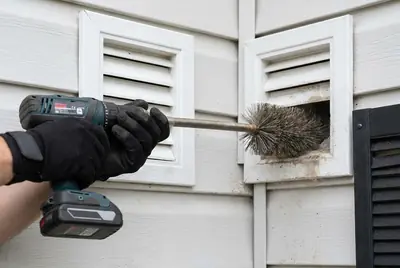
While you can certainly clean your lint trap regularly, the deeper cleaning of the dryer vent ductwork requires specialized tools and expertise. Professionals have equipment designed to reach deep into the vents, dislodge stubborn lint buildup, and ensure the entire pathway is clear from the dryer all the way to the exterior exhaust. They can also inspect the ductwork for any damage, loose connections, or improper installations that could be contributing to the problem or creating further risks. This isn't a DIY job that you can tackle with a vacuum cleaner and a coat hanger.
The Tangible Benefits of a Clean System
So, what exactly do you gain when you have your dryer vent ducting professionally cleaned? First and foremost, you gain peace of mind knowing that you've significantly reduced the risk of a fire in your home. This alone is worth the investment for any homeowner. Secondly, you'll likely notice a substantial improvement in your dryer's performance. Clothes will dry faster, meaning you can get through your laundry loads more efficiently. This also translates into lower energy bills because your dryer won't have to run as long for each load.
Boosting Dryer Efficiency and Longevity
Furthermore, a clean vent system reduces the strain on your dryer's motor and heating element. This means your appliance will likely last longer, saving you money on premature replacements. It's a bit like giving your dryer a tune-up. You're ensuring all its parts are working in harmony and not being overworked due to an external obstruction. This proactive maintenance can save you a lot of headaches and money down the road. Think of it as preventative care for your home's appliances, ensuring they serve you reliably for years to come.
Addressing the Specifics of Your Location
Living in Wythe County, where homes can range in age and style, means that dryer vent systems can be quite varied. Older homes might have more complex duct runs, or materials that have aged and become more fragile. Understanding the local landscape of homes helps us tailor our approach. We know that in communities with a population of around 437, homeowners value reliability and efficiency. With a median household income of approximately $53,261, we also understand that cost-effectiveness and tangible value are important considerations for families in ZIP codes like 24350.
Tailoring Services for Your Needs
Our approach is always about providing a thorough and personalized service. We don't believe in one-size-fits-all solutions. When we come out to your home, we take the time to assess your specific dryer vent system, noting its length, configuration, and any potential issues. We then use our professional equipment to perform a comprehensive cleaning, ensuring that every inch of the ductwork is cleared of lint and debris. Our goal is to restore your dryer to its optimal performance and ensure your home's safety.
The Assurance of a Professional Job
You can be assured that when you choose to have your dryer vent ducting cleaned by us, you're choosing a service that prioritizes your safety and satisfaction. We understand the importance of this service, not just for appliance efficiency but for the fundamental well-being of your household. We're here to provide a solution that's effective, reliable, and delivered with the kind of care you'd expect from neighbors. We want you to feel confident that your dryer is operating safely and efficiently, allowing you to focus on other things.
Why Delay When Safety is at Stake
Considering the potential fire risks and the impact on your dryer's performance and lifespan, it really makes sense to address any signs of a clogged vent system promptly. Waiting until a problem becomes severe can lead to more significant issues and potentially more costly repairs. Proactive maintenance is always the smarter choice, both for your wallet and for your peace of mind. Don't let a hidden issue turn into a major problem.
Ready to Get Your Dryer Back in Top Shape
If you've noticed your clothes taking longer to dry, are seeing excessive lint, or have any other concerns about your dryer's performance, now is the perfect time to take action. Getting your dryer vent ducting cleaned is a straightforward process that yields significant benefits. It's about ensuring your home is safer and your laundry routine is more efficient. You deserve to have a dryer that works reliably and safely, and we're here to help make that happen.
Taking the First Step Towards a Safer Home
So, what's the next step? It's simple. Reach out to us. We're here to answer any questions you might have and to schedule a visit to your home. We can provide you with a clear understanding of what's involved and what you can expect. There's no obligation, just an opportunity to ensure your dryer is operating at its best and your home is protected from potential hazards.
The Power of a Clean Vent is Clear
Imagine the satisfaction of pulling perfectly dry clothes from your dryer, cycle after cycle, knowing that your appliance is running safely and efficiently. That's the result of a clean dryer vent system. It's not just about getting your laundry done; it's about the overall health and safety of your home. Let us help you achieve that peace of mind and operational efficiency.
Your Path to Peace of Mind Starts Now
Don't let a clogged dryer vent be a source of worry or inefficiency in your home. We're dedicated to providing top-notch dryer vent duct cleaning services to homeowners in this area. We understand the importance of a well-functioning appliance and a safe living environment. Let us take the guesswork and the risk out of the equation for you. Your well-being and your home's integrity are our top priorities.
Let's Get Your Dryer Breathing Easy Again
It's time to give your dryer the breathing room it needs to perform at its peak. A clean vent system means faster drying, lower energy bills, and a significantly reduced risk of fire. We're ready to help you experience these benefits firsthand. Let us bring our expertise to your doorstep and ensure your dryer is functioning as it should be.