Tackling build up inside your appliance exhaust line around the Midwest
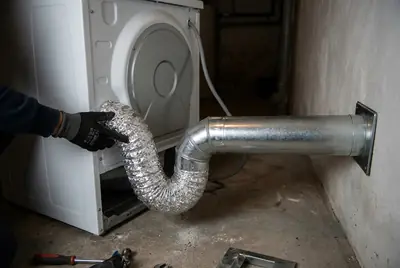
Soaking wet clothes after a full cycle usually means your warm air exhaust line is choked with thick fuzzy buildup. Getting that lint cleared out right away boosts your laundry efficiency: and that saves you serious cash on your monthly energy bill. Local specialists across the heartland are ready to send you a free quote to get everything blowing free again.
Actually, those hidden silver pipes pack tightly with debris faster than most folks realize. Plus, the midwestern damp weather makes that wet fuzz stick to the metal walls like glue. That sticky buildup forces your machine to work twice as hard while baking your clothes.
Why clearing that hidden airflow tube matters so much
Fire departments respond to thousands of home blazes every year just from trapped fuzz igniting near heating coils. Naturally, keeping that pathway clear protects your home and family from dangerous house fires. That gives you total peace of mind every time you press start.
Besides safety, a clean duct dramatically shortens your standard drying cycles. Which means you stop wasting hours waiting on heavy jeans to dry. You get precious time back for your weekends.
Furthermore, lower running times mean less wear on delicate fabrics. Because constant high heat ruins expensive clothes fast. Your favorite shirts simply last much longer.
Additionally, your utility bill drops when the machine runs efficiently. Therefore, taking care of this chore quickly pays for itself in energy savings. It is a smart financial move for any homeowner.
Recognizing the classic red flags in your laundry space
First, check if the outside flap opens while the cycle runs. Since a quiet or still vent hood outside points directly to a massive blockage. That lack of airflow means trouble is brewing inside.
Next, feel the top of your appliance while it is spinning. For example, if the metal shell feels scorching hot to the touch, air is not moving. That trapped heat slowly cooks your delicate internal electronics.
Finally, open the door and sniff inside the drum. Indeed, a faint burning smell means lint is touching the hot heating element. You need to turn off the power immediately when that happens.
Also, keep an eye out for excess moisture inside the room. Because trapped humidity breeds nasty mildew on your drywall. Nobody wants to deal with expensive mold repairs.
What to expect from a professional service visit
First, a qualified trade technician inspects the whole length of your line using special long cameras. That visibility lets them spot crushed metal pipes or disconnected joints behind your walls. You get an accurate picture of the whole setup.
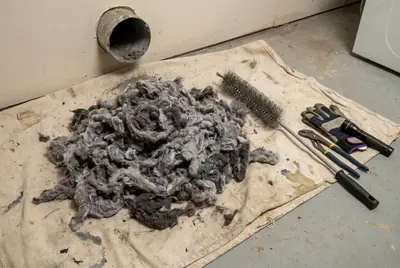
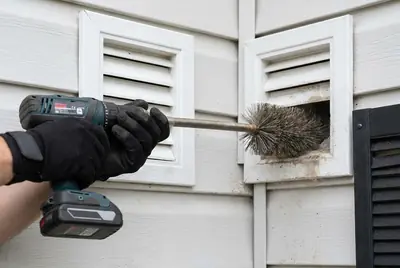
Then, they spin high powered rotary brushes deep into the rigid metal tubing. Which snaps stubborn wall scale loose without popping your pipe joints apart. The wall friction drops to zero almost instantly.
After that, high volume vacuum gear pulls every last bit of fuzz out to their truck. So your home stays totally clean with zero dust flying into your living room. You avoid a messy cleanup hassle entirely.
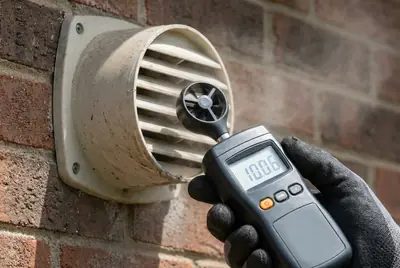
Lastly, they verify the final airflow pressure using a hand air meter. This absolute proof shows your exhaust system operates at peak factory performance. You can launch your next wash load with complete confidence.
| System Condition |
Drying Speed |
Fire Danger Level |
| Completely Choked |
90+ minutes |
Extremely High |
| Partial Obstruction |
60 to 75 minutes |
Moderate |
| Fully Cleared Line |
35 to 45 minutes |
Very Low |
Choosing local expertise for your maintenance needs
Before hiring anyone, ask if they bring proper liability coverage and standard industry licensing to the job site. Because proper credentials protect your property investment if anything breaks during service. Always double check their paperwork beforehand.
Also, ensure the contractor offers a clear written estimate before starting any work inside your home. That transparent pricing eliminates surprise fees when the bill arrives. Honest communication keeps the process stress free.
In addition, check if they replace old thin foil transition hoses with heavy duty semi rigid aluminum pipes. Since solid metal tubing meets modern building codes far better than cheap plastic hoses. Upgrading the line boosts safety instantly.
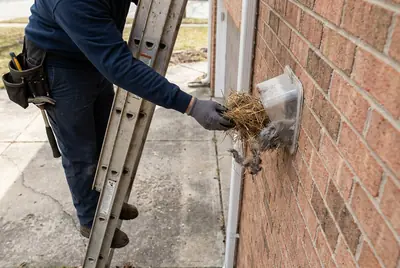
Furthermore, a skilled worker tests the outdoor wall cap to ensure the backdraft damper seals out winter winds. Which stops freezing drafts from chilling your utility room during cold months. You enjoy a cozy home environment all winter long.
Now is the perfect moment to take care of this essential home chore before small issues turn into major hazards. Simply request your free quote from reliable nearby pros today to restore proper airflow and keep your home safe.