Keeping Your Home Safe From Lint Fires in New Hampshire
Do you know that your laundry setup could be a fire hazard waiting to happen? Actually, lint builds up fast in hidden tubes behind your walls, which creates a huge danger for your family. This comprehensive guide helps you understand why routine maintenance matters so much for keeping your household secure.
Most folks forget about the hidden metal pipe snaking through their walls until something goes wrong. Fortunately, getting proactive about this chore prevents scary disasters from ruining your property. By clearing out trapped debris, you ensure your appliance runs efficiently every single day.
Why Regular Maintenance Matters So Much
The Hidden Dangers Lurking Behind Your Dryer
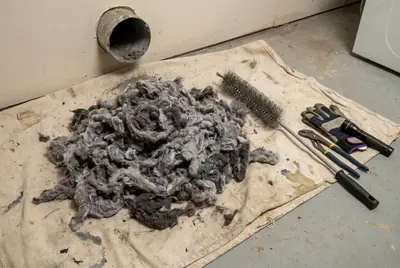
Every single cycle leaves behind tiny fibers that escape the lint trap and stick to the inner walls of your exhaust pipe. Over the months, this fluffy material bakes under high heat until it turns into a tinderbox. Because of this scary reality, ignoring your exhaust system puts your whole house at risk of sudden combustion.
When airflow gets blocked by dense clumps of fuzz, your machine has to work much harder to push moist air outside. This extra strain burns out thermal fuses and heats up the motor far beyond normal limits. Consequently, you face costly repair bills that far outweigh the simple cost of routine upkeep.
Energy Efficiency and Lower Utility Bills
Have you noticed that your clothes take two or three cycles to dry fully lately? This frustrating delay usually points directly to a clogged ventilation run that traps hot, humid air inside the drum. Fixing this blockage restores proper airflow so your laundry dries during a single standard cycle.
Lower energy consumption translates directly into smaller monthly power bills for your household budget. Besides that, your clothes last longer because they are not being subjected to excessive, prolonged heat sessions. Ultimately, taking care of this chore saves you money on both utility costs and replacement apparel.
Understanding the Local Climate Challenges
Fighting Against Humidity and Cold Winters
Living up here in the Granite State brings unique weather patterns that wreak havoc on household ventilation setups. During freezing winter months, warm exhaust air hits the cold exterior flap and creates condensation inside the metal tubing. Consequently, damp lint clings tighter to the pipe walls, forming cement-like blockages that ordinary airflow cannot budge.
Spring thaws and humid summer days add even more moisture to the trapped debris inside your concealed exhaust runs. This constant battle against humidity causes mold growth and rust inside corrugated aluminum lines if you fail to inspect them regularly. Therefore, seasonal attention keeps your exhaust path clear, sanitary, and fully functional year-round.
Regional Household Statistics and Housing Types
Local neighborhoods feature charming historic properties alongside modern suburban developments, and each style comes with its own unique duct routing challenges. Older houses often have long, twisting exhaust paths that wind through multiple walls before reaching the outdoors. Meanwhile, newer constructions might feature longer vertical runs that accumulate heavy debris at the roof cap.
Understanding regional housing layouts helps professionals choose the right rotary brushes and high-powered extraction vacuums for your specific setup. No matter if your home sits in a bustling town or a quiet rural ZIP code, local properties share similar environmental exposure. Addressing these regional quirks ensures your ventilation system stays open and safe against local weather extremes.
Signs That Your System Needs Immediate Attention
Warning Signs You Should Never Ignore
Watch out for clothes that feel unusually hot to the touch or smell musty right after a standard drying cycle finishes. Another major red flag is seeing excessive moisture on your windows or noticing a burning odor near the laundry area. Whenever these symptoms pop up, you need to act quickly before a spark catches the dry fuzz.
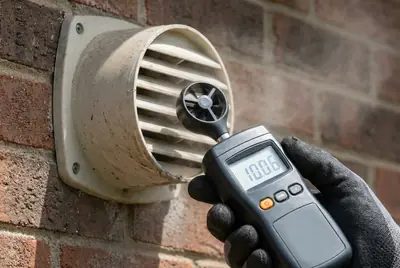
Outside your house, check the exterior vent flap while the appliance runs to see if strong air is pushing through the louvers. If the flap barely moves or stays shut tight, a massive clog is currently choking your system. Catching these warning signs early prevents emergency situations and protects your valuable property.
Simple Checks You Can Do Today
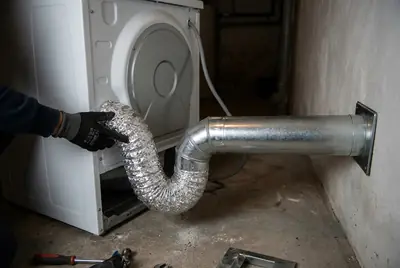
Start your DIY inspection by pulling the appliance slightly away from the wall to look at the flexible transition hose in the back. Make sure this connection piece is made of rigid metal or semi-rigid aluminum instead of cheap white vinyl. Vinyl materials melt easily and fail fire safety codes across most municipalities.
Next, look closely for any crushing or sharp bends in the tubing that might restrict normal airflow and trap flying debris. Straightening out these kinks immediately improves overall machine performance and reduces internal heat buildup. These small visual checks empower you to take charge of your home maintenance routine.
The Professional Cleaning Process Explained
Advanced Tools and Specialized Equipment
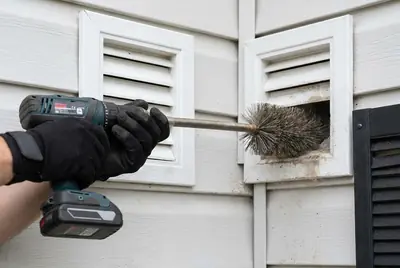
Professional contractors bring heavy-duty rotary brush systems that scrub every inch of your hidden ductwork clean without damaging the metal walls. These specialized tools spin rapidly to dislodge stubborn clumps of baked-on lint that household vacuums cannot reach. Along with the brushes, powerful negative-air vacuums suck all the loosened debris straight outside into a containment bag.
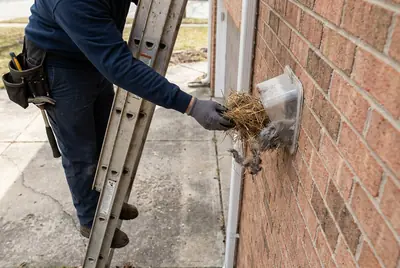
Technicians also inspect the exterior termination cap to ensure pests or weather guards are not blocking the exhaust exit point. This thorough approach guarantees that your entire ventilation run remains spotless from the appliance connection all the way to the outdoors. Investing in professional service gives you total peace of mind regarding your family safety.
Comparison of DIY Methods Versus Professional Service
| Method |
Pros |
Cons |
| Basic DIY Kit |
Low initial cost, easy to find in stores |
Can get stuck in long runs, misses stubborn blockages |
| Professional Contractor |
Complete extraction, heavy-duty gear, safety check |
Requires scheduling an appointment |
While buying a cheap kit at the hardware store might seem tempting, it rarely cleans long or twisting exhaust lines completely. Professionals use commercial-grade gear that ensures every single fragment of combustible material vanishes from your walls. Choosing expert help is the smartest way to protect your home from hidden fire hazards.
Why You Should Request a Free Estimate Today
Taking the First Step Toward Safety
Procrastination remains the biggest enemy when it comes to household fire prevention and routine appliance upkeep. Fortunately, getting a professional evaluation costs you nothing and gives you a clear picture of your system condition. Taking action today removes lingering worries about hidden dangers lurking inside your walls.
Qualified local specialists arrive on site to inspect your entire setup and provide transparent pricing before starting any physical labor. This zero-pressure approach lets you make an informed decision about your home maintenance needs without any financial risk. Securing a professional assessment is the easiest way to safeguard your property and loved ones.
How to Schedule Your Consultation
Reaching out for a complimentary quote takes just a few moments of your time and gets you on the path to total home security. Friendly local pros are standing by to answer your questions and schedule a convenient visit around your busy routine. Do not wait for warning signs to turn into an emergency when help is readily available.
Simply fill out the quick online request form to connect with trusted local technicians who know your area inside and out. They will evaluate your specific ventilation layout and provide a clear estimate for restoring peak efficiency to your laundry setup. Secure your home, lower your power bills, and request your free quote right now.