Your laundry routine might be secretly holding back a huge fire hazard that wastes your money every single day. Getting a proper cleanout of your exhaust lines will save your house and lower those insane monthly power bills fast. You can grab a totally free price estimate right now to fix this issue before things get dangerous.
The Hidden Danger Behind Your Laundry Wall
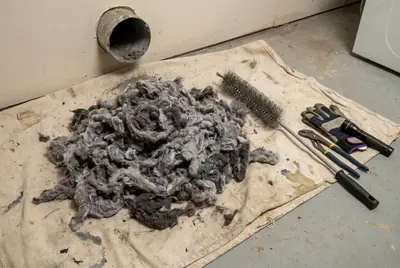
Honestly speaking, most of us just tumble our wet clothes and forget about where all that hot air goes. Every single load generates massive amounts of fuzzy debris that sneaks past your lint trap every time you dry towels. Naturally, this nasty stuff builds up deep inside your long metal pipe over many years of normal family use.
Suddenly, your machine has to work twice as hard just to force air through a clogged metallic tunnel. Worse yet, this stuck lint is basically prime kindling sitting right next to an intense heating element. Clearly, ignoring this invisible buildup puts your entire property at risk for a tragic home fire that nobody wants.
Thankfully, having a local specialist come out to clear these passages brings massive peace of mind instantly. You will notice your clothes dry way faster, which means lower electric bills every single month. On top of that, your expensive laundry appliances will last many years longer without burning out expensive motors.
Why Native Homes Need Special Attention
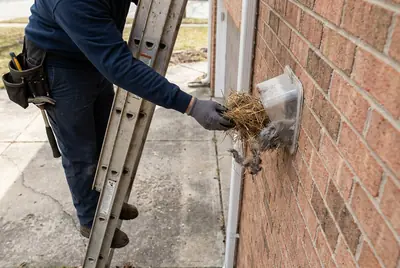
Living out in Apache County brings specific challenges that folks in big packed cities never really have to think about. Dust storms and high winds constantly shove dirt and tiny debris into outdoor wall hoods around this rural region. Coupled with cold mountain seasons, wild critters often try to build cozy nests inside your warm exhaust openings.
Actually, around the local area with ZIP code 86549, winter weather makes a functional laundry setup totally essential for every household. The small community of about 748 residents often experiences dry conditions where a tiny spark inside a clogged tube can turn catastrophic. Therefore, keeping these exhaust pathways clear is a massive safety step for real peace of mind.
Furthermore, local median household incomes mean nobody wants to throw away hard-earned money on broken appliances or sky-high electric bills. Investing in routine maintenance preserves your home budget while keeping your family totally safe year after year. Asking for a simple price quote costs absolutely nothing and helps you plan your home care easily.
Signs Your Laundry Line Is Completely Choked Up
First of all, you should pay attention to how long a standard cycle takes to finish. If your thick bath towels are still damp after a full sixty-minute run, your line is definitely choked with lint. Consequently, running extra cycles wastes huge amounts of energy and wears down your machine fast.
Secondly, touch the top of your appliance while it is actively running a load of wet clothes. When the metal casing feels scorching hot to the touch, air flow is severely restricted inside the ductwork. Additionally, a strange musty smell in your laundry room usually means trapped moisture cannot escape to the outside air.
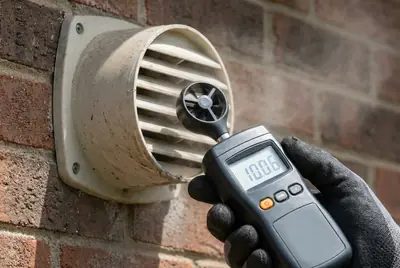
Finally, go step outside and inspect the outer wall hood while your machine is humming along. If you barely feel any warm air blowing out, or if the flap stays closed, you have a heavy blockage. Honestly, ignoring these warning signs is just asking for a breakdown or a dangerous situation down the road.
How Professional Clearance Works For You
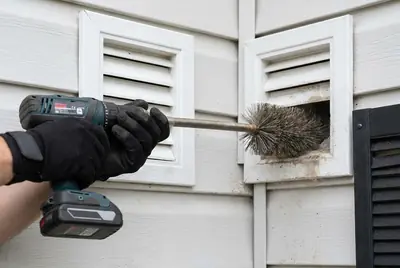
To begin with, a real technician uses specialized rotary brushes powered by flexible shafts to scrub every inch of pipe. Standard high-powered household vacuums just cannot reach deep enough inside rigid metal duct structures to pull out packed debris. Meanwhile, heavy-duty suction equipment pulls every bit of trapped fuzz completely out of your home environment.
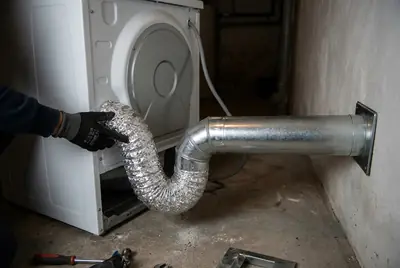
Next, the service provider checks all flexible connectors behind your unit for dangerous kinks or illegal plastic materials. Replacing cheap foil tubes with solid semi-rigid metal instantly improves airflow and meets strict modern safety building codes. As a result, your laundry area looks neat while operating at total peak efficiency.
Lastly, the exit hood flap gets thoroughly cleaned so it seals correctly against invasive cold air drafts and stubborn pests. A complete service checks the entire length from the back wall outlet all the way to the exterior roof or side vent. You end up with a smooth, open conduit that lets your machine breathe totally free.
Comparing DIY Efforts Against Expert Equipment
Now, let us talk about those cheap plastic brush kits sold at local big box hardware stores. While they seem budget friendly, those flimsy rods frequently snap off inside complex pipe elbows hidden inside interior walls. So, trying to fix a small issue yourself often leads to expensive drywall repairs just to retrieve a broken tool.
On the other hand, specialized crews bring commercial gear specifically engineered to navigate tight ninety-degree bends without damaging thin aluminum pipes. They apply negative air pressure systems so that nasty black dust never blows back into your clean living spaces. Plus, they inspect for loose joints that could leak dangerous carbon monoxide if you run gas-powered equipment.
In addition, here is a quick look at how personal efforts compare directly to professional service outcomes for your home.
| Maintenance Approach |
Equipment Reach |
Safety Level |
Efficiency Gain |
| Basic Store Kit |
Limited short distance |
Moderate risks |
Minor improvement |
| Professional Service |
Complete full length |
Maximum safety |
Obviously, getting a trained worker to handle this greasy and awkward job saves you time and physical frustration. You avoid crawling behind heavy appliances or climbing dangerous extension ladders to reach elevated exterior exhaust ports. Taking advantage of a zero-cost estimate lets you see exact costs before any actual labor starts.
Real Financial Advantages For Homeowners
To start with, running a choked laundry appliance can add significant charges to your monthly power statement every cycle. When air moves freely through clean metal piping, your drying cycles drop back down to standard thirty-minute times. Therefore, the simple service actually pays for itself over time through noticeable energy savings.
Besides that, excessive heat stresses sensitive electronic control boards and snaps drive belts way before their normal time. Modern replacement parts and service calls from appliance mechanics are ridiculously expensive nowadays. Protecting your original investment with basic pipe clearance helps you avoid buying a brand-new set prematurely.
Furthermore, taking care of this simple utility detail prevents hidden moisture damage inside your laundry room walls. Trapped hot air carries gallons of water vapor that can cause sneaky mold growth behind drywall panels over time. Preventing structural dampness preserves your total property value without unnecessary stress or surprise repair bills.
What To Expect During A Service Visit
Right away, the technician greets you and inspects your specific appliance setup to map out the entire exhaust run. They move your heavy machine carefully to avoid scratching your floors or pulling gas lines loose from wall connections. Afterward, they seal off the interior opening to contain all the dislodged dust before starting high-powered tools.
Then, powerful spinning brush heads travel deep down the pipe, knocking loose years of hard-packed lint and bird debris. High-volume air movers simultaneously pull all the loose particles out into sealed containment bags outside your home. Thus, your indoor air quality remains totally clean and breathable throughout the entire process.
Finally, the specialist reattaches your equipment, tests the airflow velocity with a gauge, and slides everything back into place. You receive a full summary of the work completed alongside tips for keeping your system running smooth long-term. The process takes minimal time and leaves your utility space feeling clean, fresh, and cozy.
Simple Steps To Keep Lines Flowing Clean
Initially, clean out your removable mesh screen after every single load of clothes without exception. This simple five-second habit blocks roughly eighty percent of loose fabric fibers from entering your main wall pipe. Moreover, teach every family member to wipe off excess pet hair before putting blankets into the wash tub.
Additionally, avoid over-stuffing your appliance with gigantic loads of heavy bath towels or thick winter bedding. Overloaded drums prevent proper air circulation, forcing more loose debris straight down the rear exhaust manifold. Running medium-sized loads allows heat to pass through efficiently while catching maximum lint in the screen.
Lastly, inspect your exterior wall hood once every season to clear away windblown leaves or spider webs. If you notice a broken louvre or a missing protective mesh screen, replace those parts quickly to keep critters out. Schedule a routine professional cleanout every year or two depending on how many people live in your house.
Get Your Free Estimate Today
Consequently, there is absolutely no reason to leave your property at risk from hidden lint fires or high bills. Our friendly local team stands ready to deliver prompt, reliable work that restores your home utility safety instantly. We bring years of real hands-on experience to every single job site in the local region.
By requesting your zero-obligation price quote, you get clear pricing without any high-pressure sales tricks or unexpected hidden charges. You can ask all your burning questions and pick a convenient appointment time that matches your busy daily routine. Protect your household budget and enjoy total quietness of mind starting right now.
Simply reach out today to secure your custom estimate with zero risk involved. Let us handle the dirty, awkward work so you can enjoy fresh, fast-drying clothes every time you do laundry. Request your free estimate now to schedule your free property quote before spots fill up for the upcoming season!