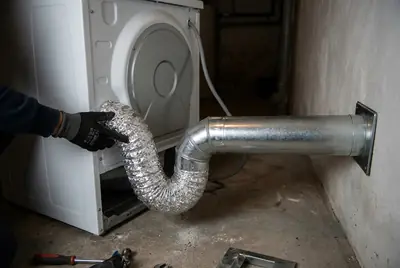
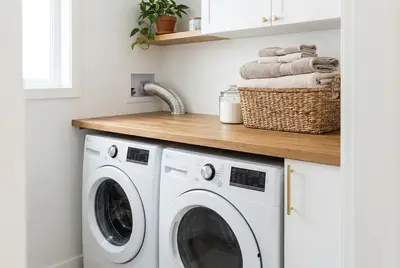
Hey there, ever thought about that secret tunnel behind your clothes drying machine? Seriously, it's a big deal you might be overlooking right now. This little-known pathway, the one that whisks away all the hot, damp air and fuzz from your clothes, really needs some attention sometimes.
Therefore, if you're tired of damp clothes or just want to feel safer at home, getting this exhaust system looked at is a super smart move. Ultimately, our local crew offers a free estimate to check things out for you, no strings attached, so you know exactly what's up.
Why Your Home Needs This Service
You know, it's not always obvious when something in your house needs a little TLC, especially when it's tucked away behind an appliance. However, that hidden tube that carries hot air away from your clothes drier is actually a pretty important part of your home's safety and efficiency setup. For this reason, giving it proper care is more than just a good idea; it's a necessity.
Furthermore, neglecting this particular exhaust system can lead to some real headaches, from higher energy bills to even scarier stuff. Simply put, understanding why this service is crucial can save you a lot of worry and cash down the road. Basically, we're talking about keeping your home safe and your wallet happy.
The Hidden Hazards Lurking
First off, let's talk about the big scary thing: fire. Believe it or not, when that exhaust path for your clothes dryer gets all clogged up with lint, it turns into a major fire hazard. Think about it: hot air blowing onto a pile of highly flammable fuzz, not a recipe for a good day, right?
Moreover, a blocked pathway makes your drying machine work way harder than it should, which can cause it to overheat and potentially spark a fire. Consequently, getting that lint cleared out is like giving your home a big sigh of relief, reducing a serious risk to your family and property. Therefore, keeping that air channel clear is a genuine act of protecting your nest.
Another thing to consider, especially if you've got a gas-powered drying unit, is the risk of carbon monoxide. Which means, if the exhaust is blocked, those dangerous fumes have nowhere to go but back into your house. Naturally, you can't see or smell carbon monoxide, making it a silent but deadly intruder.
Thus, by getting that internal tubing of your drying unit thoroughly cleared, you're not just preventing fires; you're also ensuring that poisonous gases are properly vented outside. On top of that, it helps maintain the overall quality of air inside your house, so everyone can breathe a little easier and feel a bit healthier.
Boosting Appliance Performance
Beyond the safety stuff, a gunked-up air vent for your drying unit is also a huge drain on your energy bill. After all, when that pathway is choked with lint, your clothes drier has to run longer and work much harder to get your towels and jeans dry. Ultimately, this extra effort means your appliance is sucking up a lot more electricity or gas than it needs to.
Consequently, you'll probably notice your utility bills creeping up without really understanding why. Furthermore, a clean exhaust path lets your drying machine do its job efficiently, cutting down on drying times and, in turn, shrinking those monthly energy costs. So, in the end, it's a win-win for both your clothes and your budget.
Even more, having a clear pipe that carries hot, damp air away helps your appliance last longer. Because when your clothes drier doesn't have to strain itself constantly, its internal parts experience less wear and tear. This lets your machine keep chugging along happily for many more years, saving you from having to buy a brand-new one sooner than expected.
Therefore, treating your appliance to a regular clean of its exhaust system is like giving it a tune-up, extending its lifespan and keeping it running smoothly. Which means, you get more mileage out of your investment, avoiding the hassle and expense of an early replacement. Plus, who doesn't like a little extra cash staying in their pocket?
What Happens When We Work
So, you're probably wondering what actually goes down when we come over to take care of that exhaust path for your clothes drier, right? We take our time and use the right tools to make sure everything is shipshape.
Which means, we're all about being thorough and making sure we leave your place better than we found it. Basically, we approach every job with a plan, making sure we hit all the important spots that other folks might miss. Consequently, you can trust us to do things the right way, every single time.
Our Thorough Approach
To begin with, we always start with a good look-see, checking out the whole setup of your clothes-drying appliance and its exhaust system. This lets us figure out just how much junk has built up in there and if there are any other issues we need to tackle. Moreover, we're on the lookout for anything that seems a bit off, like loose connections or crimped pipes.
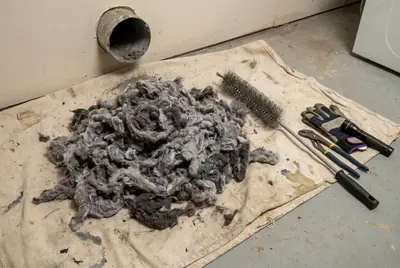
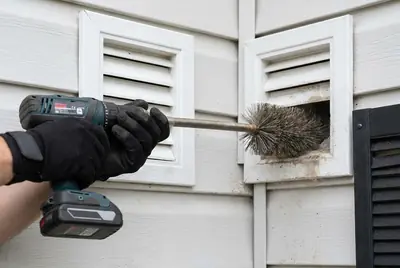
Then, once we know what we're dealing with, we bring in our specialized gear, like powerful vacuums and long, flexible brushes. By doing this, we can reach deep into that long tube thing behind your laundry machine, pulling out all the accumulated lint, debris, and sometimes even a stray sock or two. Clearly, it's a bit like a deep-tissue massage for your exhaust path.
Furthermore, we work carefully to remove every bit of blockage, making sure we don't cause any damage to your appliance or the wall it's hooked up to. Which means, we're not just about getting the job done; we're about getting it done right and safely. Ultimately, our goal is to restore that crucial airflow system for drying machines to its tip-top shape, letting it breathe freely again.
Finally, after all the gunk is out, we make sure to clean up any mess we might have made. Therefore, you won't be left with lint bunnies all over your laundry room floor. This lets you get back to your regular routine without having to do any extra tidying up after we're gone, which is pretty sweet if you ask me.
More Than Just a Quick Clean
You see, our service isn't just about sticking a brush in and pulling out some fuzz; it's a whole lot more involved than that. After we get all the lint and stuff out of the exhaust system connected to your clothes-drying appliance, we don't just pack up and leave. Instead, we take the extra steps to ensure everything is working perfectly and safely.
For example, we'll carefully inspect the entire pathway for any signs of wear, tear, or damage that might not have been obvious before. This lets us catch small problems before they turn into big, expensive headaches for you down the line. Moreover, we make sure all the connections are tight and secure, so no hot air or lint escapes where it shouldn't.
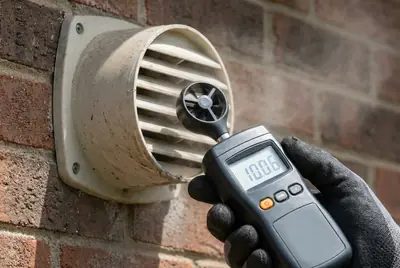
Then, we even test the airflow to make sure it's strong and steady, just like it should be. Thus, you'll know your drying unit is ready to perform at its best, drying your clothes faster and using less energy. Because of this thoroughness, you get a genuine sense of security knowing that this often-forgotten part of your home is in prime working order.
Ultimately, this detailed check-up helps prevent future clogs and issues, giving you longer periods of worry-free operation from your clothes drier. So, it's not just a clean; it's an inspection and tune-up wrapped into one, offering you real value and lasting reassurance. Here's a little peek at some common things we find and the good that comes from fixing them:
| What We Often Find |
How It Benefits You |
| Huge lint blockages |
Way less fire risk, quicker drying |
| Crushed or kinked tubing |
Better airflow, longer appliance life |
| Loose connections |
Safer operation, no escaped hot air |
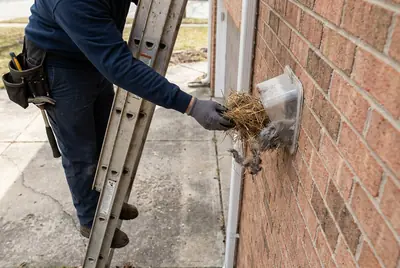
| Animal nests inside |
Improved hygiene, no pesky critters |
| Excess moisture build-up |
Less mold potential, healthier home air |
Signs It's Time for a Check-Up
Look, your clothes drying machine is pretty good at telling you when something's off with its exhaust path, if you just know what to listen and look for. It usually gives you a bunch of little hints before things get really bad. Therefore, paying attention to these signals can save you a bunch of trouble and money.
So then, don't ignore those subtle nudges your appliance is sending your way. Basically, being proactive means you get to nip problems in the bud, rather than waiting for a major issue to pop up. Which means, knowing the signs helps you decide when it's time to drop us a message.
Keep an Eye Out for These Clues
Firstly, the most obvious sign is when your clothes take forever and a day to dry. You know, you throw in a load, and an hour later, they're still damp, forcing you to run the cycle again and again. This means the hot air and moisture can't escape properly through the exhaust path, so your clothes stay soggy.
Furthermore, if your clothes drier feels super hot to the touch on the outside, or if your laundry room gets unusually warm and humid during a drying cycle, that's another big clue. Consequently, all that heat is getting trapped inside because the air channel for your clothes drier is blocked, not good for anything. This can even mean your clothes are extra hot when you pull them out.
On top of that, ever smell something a little… burnt? If you catch a slight burning odor, especially a musty or linty smell, while your clothes drying machine is running, that's a serious warning sign. Basically, it means lint buildup is getting dangerously hot, possibly on the verge of igniting, so don't shrug that one off.
Moreover, if you notice an excessive amount of lint around the outside of your appliance or on your clothes after they're "dry," that suggests the exhaust system isn't doing its job efficiently. This lets you know that the fuzz isn't making it out the pipe that carries hot, damp air away. So, if your lint trap is full after just a few items, something might be amiss further down the line.
When Did You Last Think About It
Honestly, when was the last time you actually thought about that exhaust system for your clothes drier? For most folks, it's probably never crossed their minds, which is totally understandable. However, ignoring it for too long can lead to all those problems we just talked about, which nobody wants.
Therefore, we usually suggest getting that important system that whisks away moisture and fuzz checked out at least once a year. Think of it like changing the oil in your car; it's a simple preventative step that saves you from bigger headaches and expenses later on. Which means, a little yearly check-up goes a long, long way.
Ultimately, a regular clean means you can catch any small blockages before they turn into huge, hazardous clogs. This lets you keep your appliance running safely and efficiently, day in and day out, without those annoying long drying times or scary burning smells. So, why wait until you've got a major issue on your hands?
In fact, setting up a routine check-up for the exhaust path connected to your clothes-drying appliance just gives you genuine peace of mind. You know it's one less thing to worry about, allowing you to focus on more fun stuff. Plus, knowing your drying machine is working at its peak capacity is pretty cool too.
Why Choose a Local Crew Like Ours
You've got options when it comes to getting that all-important exhaust system for your clothes drier taken care of, but choosing a local team makes a real difference. We're not some big, faceless corporation that sees you as just another number. Nope, we're your neighbors, right here in the community, and we care about doing good work.
Therefore, when you contact us us, you're getting folks who understand the unique needs and quirks of homes around here. Because of this, we know what it takes to get things done right for our local residents. So, let's talk about why sticking with the local pros is such a smart move for you.
We Know the Neighborhood
Since we live and work right here in Sutter County, we actually get what makes this place tick. We know the types of homes, from the older ones with their charming quirks to the newer builds, and how their exhaust systems for drying machines are usually set up. This lets us come prepared for almost anything we might encounter.
Moreover, living in this area, where nearly a hundred thousand folks make their homes, means we're familiar with local conditions that can affect your appliance's air channel. For example, maybe it's the way certain building materials are used or even just the local critters that love to make nests in those long tubes. We've seen it all, from the 95901 area code all the way to 95993 and everything in between.
Ultimately, our local knowledge translates directly into better, more efficient service for you. Which means, you're not just getting a generic service; you're getting tailored attention from people who truly understand your specific situation. Plus, supporting local businesses like ours helps keep our community thriving, and that's something pretty awesome to be a part of.
Your Free Estimate is Just a message away
We totally get that budgeting for home maintenance can sometimes feel like a puzzle, which is why we keep things super straightforward. That's why we offer a completely free estimate for checking out that pipe that carries hot, damp air away from your clothes drier. Seriously, there's no catch, no hidden fees, just an honest assessment.
This lets you know exactly what kind of work needs to be done and how much it'll cost, all before you commit to anything. Therefore, you can make an informed decision without any pressure, which is exactly how it should be. Ultimately, we believe in transparency, so you're always in the loop about what's going on with your home.
Consequently, you won't have to guess or worry about unexpected charges popping up later. We lay out all the details upfront, so you can plan accordingly. So, why not give us a holler and let us take a look? It costs you nothing to find out, but it could save you a whole lot of trouble in the long run.
Real People, Real Service
Let's be real, nobody wants to deal with a company that feels like a robot, right? Here, you'll be talking to real, down-to-earth folks who are genuinely happy to help you out. We pride ourselves on being friendly, approachable, and always ready to answer any questions you might have about your clothes drying machine's exhaust system.
Moreover, we treat your home with the same respect we treat our own, making sure to be tidy and mindful while we're on the job. Which means, you get a service experience that feels personal and trustworthy, not just some transaction. We're just regular people, earning a median household income around eighty thousand bucks a year, trying to provide top-notch service to our neighbors.
Ultimately, when you choose us, you're not just hiring someone to clean that exhaust path; you're inviting a local crew into your home that cares about doing things right. This lets you relax, knowing that your appliance and your home are in capable and caring hands. So, for a truly human touch and reliable service, we're the crew you want on your side.