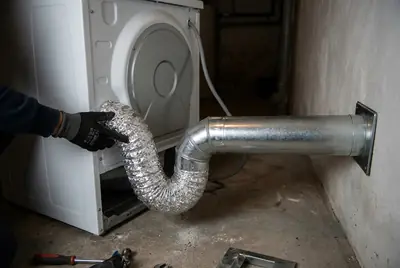
Did you know a tiny clog can cause big trouble for your clothes dryer? Well, it absolutely can, turning a simple chore into a fire hazard or a huge energy bill. So, finding out what's up with your appliance's air channel is super important.
Why that Hidden Airway Behind Your Clothes Dryer Matters a Bunch
You see, most folks don't even think about the exhaust pipe for their fabric tumbler until something goes really wrong. And yet, this often-forgotten connection is super vital for your laundry setup to work right and keep your home safe. Seriously, it's like the unsung hero of laundry day, working hard in the background.
Therefore, ignoring it can lead to some pretty gnarly problems, not just for your clothes but for your whole house. Plus, who wants to deal with a broken clothes machine or, worse, a fire? Nobody, that's who.
The Real Deal with Fire Dangers
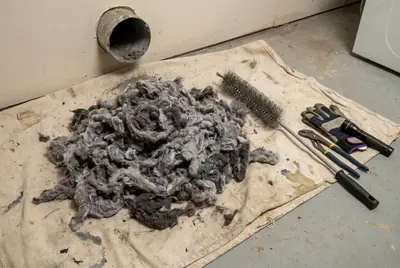
Believe it or not, fires caused by the exhaust system of clothes dryers are actually a pretty big deal across the country, way more common than you might guess. And so, that lint you see in the filter isn't the only stuff that builds up; plenty more gets pushed into the hidden tubes behind your appliance. This means it collects over time, forming a really flammable mess.
Therefore, when that lint gets super hot from the dryer running, it can easily catch fire, spreading flames quicker than you can say "Oh no!" Plus, nobody wants to be calling the fire department because their socks were taking too long to dry. What's more, keeping the air highway for your dryer clear is probably one of the smartest things you can do for home safety, especially in a tight-knit community like ours.
Why Your Clothes Take Forever to Dry
Furthermore, an obstructed vent line for your laundry equipment also messes with how well your dryer does its job. For instance, have you ever pulled out clothes that still feel damp after a full cycle? That's often a big sign something's not right with the exhaust pathway for your laundry appliance.
Which means your dryer has to work way harder, running for longer periods just to get things somewhat dry. Consequently, this not only wastes your precious time but also puts a lot of stress on your machine, making it wear out faster. Naturally, nobody wants to spend extra hours on laundry or buy a new appliance before its time.
Higher Electric Bills? No Thanks!
Moreover, when your fabric drying machine struggles to push out hot, moist air because of a clog, it uses a ton more electricity. Just think, every extra minute your dryer runs is another little chunk out of your wallet, adding up fast on your power bill. Which means, over months and years, those little clogs can seriously drain your savings.
On top of that, in a town like Appleton, Minnesota, where the median household income is around $35,393, every dollar counts, right? Therefore, keeping that crucial exhaust duct that needs a good cleanout is actually a pretty savvy financial move. Truly, it's like giving your wallet a break while also protecting your home.
What Exactly is Building Up in There?
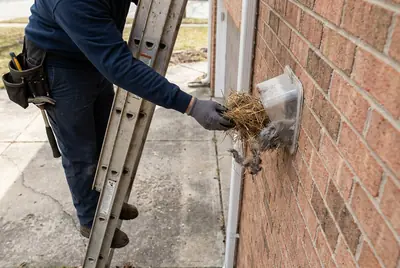
Most people think it's just lint, and sure, lint is the main culprit, but it's not the only thing. Believe it or not, sometimes pet hair, dust, and even tiny bits of fabric can sneak their way into the tube that carries hot, wet air and lint away from your machine. I've even seen little bird nests in outdoor vents before, no kidding!
Also, the type of clothes you dry can make a difference. For example, towels and fleece blankets tend to shed way more lint than your everyday cotton t-shirts. Which causes a quicker buildup in the ventilation system connected to your appliance, meaning it gets clogged faster.
The Sneaky Stuff That Gets Stuck
Firstly, lint is the number one offender, no doubt about it. This fuzzy stuff, which comes off your clothes when they tumble dry, is super light and easily gets trapped in the ridges and bends of your air path. Then, once it starts to build up, it creates a sticky, insulating layer.
Secondly, pet hair adds to the problem, especially if you have furry friends shedding everywhere. This hair mixes with the lint, making the clogs even denser and harder for air to pass through. Consequently, it's like a furry, fuzzy brick wall forming in your exhaust pipe for your fabric tumbler.
Thirdly, sometimes dryer sheets leave behind a waxy residue that traps even more lint and dust. This residue can coat the inside of the air chute for your clothes dryer, making it even stickier for future lint to cling to. Therefore, even something as simple as a dryer sheet can contribute to a bigger problem down the line.
How Do You Know When It's Time for a Check-Up?
Naturally, your dryer will give you some pretty clear hints when its air path is getting blocked up. So, paying attention to these signals can save you a whole lot of trouble later on. These appliances aren't shy about letting you know something's wrong.
For instance, if you notice any of these signs, it's probably time to give that hidden airway behind your appliance some serious thought. Truly, it's not something you want to ignore and hope it goes away.
Telltale Signs Your Dryer's Air Chute is Clogged
| Sign |
What It Means For You |
| Clothes still damp after a cycle |
Your dryer is working harder, costing you more time and money. |
| Dryer feels really hot to the touch |
This heat isn't escaping properly, raising fire risk. |
| Burning smell during operation |
Lint might be getting dangerously hot, a serious warning sign! |
| More lint on your clothes |
Air isn't flowing right, leaving lint trapped inside the machine. |
| Drying cycles are much longer |
Your appliance is struggling, guzzling energy like crazy. |
Seriously, seeing any of those things means your system that lets your clothes dryer breathe might be struggling. And so, taking action fast can prevent bigger headaches down the road. You really don't want to mess around with these kinds of warnings.
The Heat is On... but Not in a Good Way
Furthermore, if the top of your dryer or the clothes inside feel super hot after a cycle, that's a red flag. This intense heat means the air isn't moving out like it should, getting trapped inside the machine. Which causes your appliance to overheat, and that's a big no-no for both its lifespan and your safety.
Additionally, you might even notice the laundry room itself feels unusually warm and humid when the dryer is running. Therefore, this extra heat and moisture are simply escaping back into your home instead of going outside. This can create a muggy feeling in your home, which isn't exactly pleasant.
That Burning Smell is NOT Cinnamon Rolls
Moreover, if you ever catch a whiff of a burning smell when your dryer is on, stop it immediately! That smell is usually lint getting super heated, maybe even starting to smolder, and that's incredibly dangerous. You know, it's not the smell of fresh laundry, that's for sure.
Immediately, turn off the machine and unplug it, then don't use it again until you figure out what's going on. Honestly, this isn't a situation where you just cross your fingers and hope for the best. Your safety is way more important than finishing that load of towels right then.
"Can't I Just Do It Myself?" - The DIY Dilemma
Naturally, some folks think they can just tackle the air path for their clothes dryer themselves, and hey, that's cool for the super short, easy parts. Like, pulling out the lint screen every single time you dry clothes? Absolutely, you got that! However, the deeper parts of the tube that moves hot, moist air are a whole different beast.
You see, those longer, twisty parts of the exhaust pipe for your fabric tumbler can be tricky to reach and clean properly without the right tools and know-how. Also, messing up can actually make things worse, pushing the clog further in or even damaging the ductwork. And so, sometimes a DIY attempt just ends up being a bigger mess to fix later.
Why Professional Help is a Game Changer
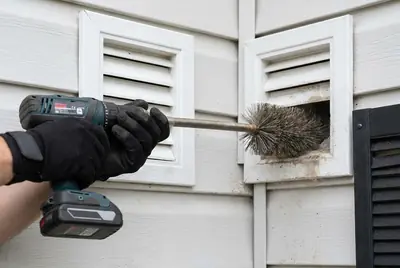
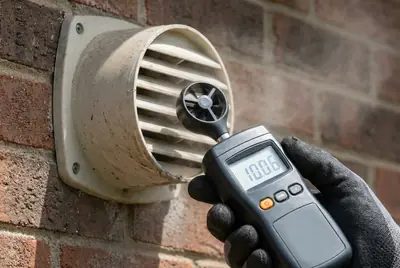
Basically, a pro knows exactly what to look for and has the gear to do the job right, safely and completely. They've got special brushes, vacuums, and snake tools that can reach all the way through your system that vents out lint and dampness, even those really long runs. Plus, they can inspect the whole setup for wear and tear, or even critters.
Furthermore, they understand the different kinds of tubing, flexible, rigid, semi-rigid, and how to clean each one without causing damage. Consequently, getting a professional to clear out the passageway for your tumbling garment heater means you get peace of mind, knowing it's done right. You won't be scratching your head later wondering if you missed a spot.
My Own Little Oopsie Story
Then, after about a week, my dryer was acting up again, even worse than before because I'd just pushed some of the lint deeper into the tube! So, I ended up calling someone else, feeling a bit silly, and they showed me all the stuff I'd missed. Which just goes to show, sometimes you need the right tools and a bit of experience to tackle these things properly.
What a Free Quote Means for You
Clearly, understanding the importance of keeping your clothes dryer's air chute clear is the first step. But then, figuring out what to do next can feel a bit overwhelming, right? That's where a free estimate comes in super handy, no strings attached.
Therefore, when you get a free quote, you're not committing to anything; you're just getting the facts straight about your specific situation. This lets you know exactly what needs to be done, how long it might take, and how much it'll cost, all up front. Which means you can make an informed decision without any pressure or surprises later on.
No Guesswork, Just Clear Answers
Indeed, a free estimate is essentially a personalized check-up for your appliance's exhaust pathway. We come out to your place, take a good look at your setup, and tell you exactly what the deal is. Which means you get a clear picture of what's going on, not just some general idea.
Additionally, during this visit, we can spot any potential issues you might not even know about, like kinks in the tubing or a vent cap that's totally blocked up outside. Therefore, it's a chance for us to share some knowledge and for you to ask all the questions you have. Furthermore, we're talking about the part of your home in Swift County, including ZIP codes like 56208, and homes here deserve attention just like anywhere else.
Why It's a Smart Move
Ultimately, getting a free estimate is a really low-risk way to protect your home and your wallet. You don't pay anything to find out if you have a problem, or how big that problem might be. Then, once you have the information, you can decide if taking action is right for you and your family.
Consequently, by taking advantage of a free quote, you're taking a proactive step toward safer, more efficient laundry days. This lets you avoid those dreaded higher utility bills and reduces the stress of potential fire hazards. Seriously, it's a win-win situation, helping ensure your home in our little spot, with a population of 1,466, stays safe and sound.
Taking Action is Easier Than You Think
Now, thinking about getting that crucial exhaust duct that needs a good cleanout might seem like a hassle, but honestly, it's super simple. You just reach out, and we take care of the rest, making it easy peasy for you. So, no need to stress about fitting it into your busy schedule.
Actually, a quick message or filling out a form is all it takes to get the ball rolling towards a safer home and a more efficient laundry routine. And so, you can put your mind at ease knowing your fabric drying machine is in good hands. Truly, it's a small step that brings big peace of mind.
Your Home Deserves Attention
Because your home is your sanctuary, and keeping it safe and running smoothly is important for everyone living in it. Therefore, that hidden airway behind your appliance, even though you rarely see it, plays a huge role in that safety and efficiency. Which means giving it the attention it deserves isn't just a chore; it's an investment in your home's well-being.
Also, don't forget about the peace of mind that comes with knowing you've done everything you can to prevent a serious problem. Consequently, you can go about your day, knowing your clothes machine is working as it should, without any lingering worries. It's about making your daily life a little bit smoother and a lot safer.