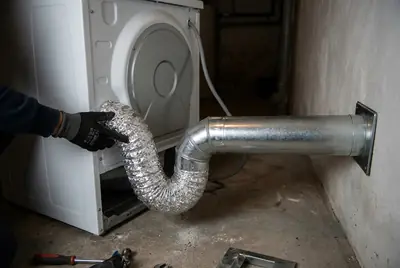
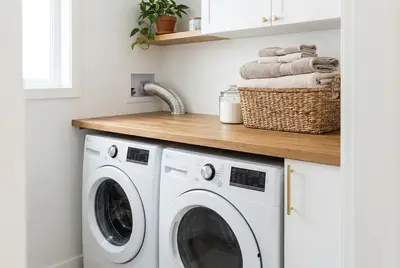
In Artesian, South Dakota, clothes that take a long time to dry can point to a laundry exhaust line that is clogged with fuzz. Moisture builds up when the line is blocked, and the home can be at risk. Professional cleaning clears the pipe quickly and helps keep Sanborn County homes safe.
Why Your Home Laundry System Needs Urgent Help Today
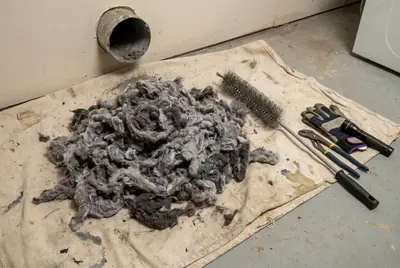
Actually, most people forget about that giant aluminum pipe hiding right behind their heavy washing machine and clothes spinner. Over time, every single load of towels leaves behind tons of tiny blanket fibers that slide past your tiny lint screen. Eventually, this stuff turns into a thick wall of trash that completely blocks hot air from escaping your house.
Consequently, your appliance works twice as hard just to dry a single pair of heavy denim jeans. That extra heat cooks your machine motors until they completely break down way sooner than they ever should. Besides that, your monthly power bill skyrockets like crazy because the machine runs for hours and hours non-stop.
Now, let us talk about the really scariest part of this whole situation. Dry lint acts just like lightweight wooden tinder that campers use to start big wilderness bonfires. When hot exhaust air cannot move freely, the temperature inside that metal pipe spikes up to dangerous levels.
To make matters worse, one tiny little spark from the electrical wiring can ignite the whole block of packed fiber inside your walls. Fires like this happen to thousands of totally unprepared homeowners every single year without any warning at all. Fixing this simple issue takes very little time and protects your biggest personal financial investment forever.
Recognizing The Early Warning Signs In Your Laundry Room
First, you ought to pay close attention to how your wet laundry feels right after a regular cycle finishes up. Do your shirts feel boiling hot to the touch while still dripping wet? That means the hot air stays trapped right inside the metal drum instead of blowing out to the backyard.
Next, you might start smelling a funky burnt odor whenever the machine starts running its heating element. That weird smell comes from dry blanket bits getting cooked by extreme temperatures inside your home walls. Honestly, if you smell something burning, you need to turn off the appliance immediately and request a visit.
On top of that, your laundry room might feel as warm and humid as a tropical jungle on a midsummer afternoon. Moisture leaks out of loose pipe joints when the main exit vent gets completely stuffed with wet grey gunk. This unwanted humidity turns your drywall into a perfect breeding ground for ugly black mold spores.
Furthermore, you can easily inspect the little flap vent sticking out on the exterior wall of your house exterior. If that little plastic door stays totally still while your dryer spins, air flow has completely stopped inside. A quick look at this simple spot reveals whether your home is in serious trouble right now.
How The Professional Process Cleans Out Your Pipes
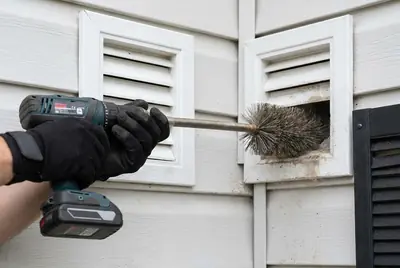
Starting out, a local specialist arrives at your front door bringing super powerful rotary brushes and extra long industrial hoses. They unhook your heavy unit carefully so they do not scratch up your lovely tile or hardwood flooring. Then, they inspect every inch of the path using tiny snake cameras to locate giant hairballs and bird nests.
Then, high pressure air whips around inside the hidden metallic passages to knock loose stuck-on grime and sticky stuff. Special spinning whip attachments scrape the internal walls clean without punching holes through thin flexible aluminum pipes. All that nasty junk gets sucked straight into a massive dust collection bin outside your residential home.
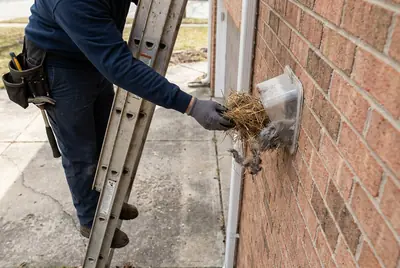
Afterward, the professional technician checks the exterior hood vent to make sure air flows super fast and completely unobstructed. They also verify that small critters like squirrels or birds have not built messy grass nests inside your ductwork outdoor opening. Removing those wild animal nests restores maximum ventilation so your laundry routine runs smooth again.
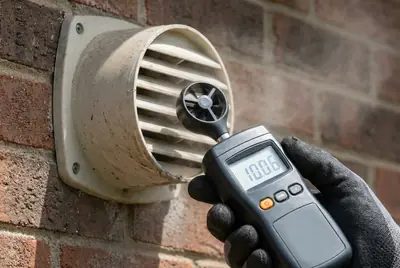
Finally, everything gets reattached with heavy duty metal tape to prevent dangerous carbon monoxide or humid air leaks. The worker runs a quick air pressure test to guarantee your setup functions just like a brand new home system. You get complete peace of mind knowing your family is totally safe from sudden house fires.
Local Factors Impacting Homes In Sanborn County
Living around the great plains means dealing with wild weather shifts throughout every season of the year. During frozen prairie winters, moist warm air escaping your exhaust vent turns instantly into hard white ice around outdoor hood flaps. That ice buildup seals your exhaust line shut just as tightly as a thick mass of wet laundry fuzz.
Additionally, summer prairie winds blow heavy dirt, dried grass, and tiny agricultural dust straight into open outdoor exhaust ports. This outdoor grime mixes with interior clothing fibers to create a super dense clay material inside your metal ductwork. Regular maintenance keeps these unique local weather factors from completely ruining your expensive household equipment.
For folks living around the small town of Artesian, South Dakota, keeping home systems running efficient keeps monthly utility expenses really low. With a small population of 255 people, local neighbors rely on solid local services to keep their homes running right. Protecting your humble abode makes total financial sense when you consider local living standards and household budgets.
Moreover, many classical homes in the 57314 ZIP code feature extra long exhaust runs that wind through deep floor joists. Longer metal pipes mean way more places where flying fuzz can settle down and create giant dense clogs over time. Homes with median household income near $54,375 benefit massively from preventing costly emergency appliance repair bills down the road.
Comparing Maintenance Options For Smart Homeowners
| Service Feature |
Doing It Yourself |
Professional Service |
| Specialized Equipment |
Basic vacuum brush attachments |
High power air whips and rotary snakes |
| Pipe Reach Capacity |
Usually limited to five or six feet |
Deep access up to forty total feet |
| Fire Risk Reduction |
Partial cleaning leaves hidden pockets |
Complete removal of all dry lint build up |
| Overall Time Needed |
Half a day of hard dirty work |
Under one hour of easy labor |
Which means, hiring a proper local contractor saves you tons of messy frustration while delivering way better results. DIY brush kits often snap off inside dark wall spaces, making your original problem ten times worse than before. Calling a true pro avoids those nightmare scenarios entirely so you can relax on your weekend off.
Major Financial Benefits Of Regular Line Maintenance
Now, let us examine how keeping your air passages totally clean actually puts hard cash right back into your bank account. When clothes dry completely in just one short thirty minute cycle, your electric or gas meter spins way slower. Dropping your energy consumption month after month pays for the basic service cost faster than you might think.
This lets you extend the total lifespan of your expensive laundry equipment by several extra years of smooth operation. Heating elements and thermal fuses break down primarily because trapped heat bakes the delicate internal electrical components continuously. Avoiding major appliance purchases keeps thousands of dollars inside your savings account where it belongs.
Besides that, your valuable clothes, blankets, and bath towels suffer way less fabric damage during shorter drying cycles. High heat breaks down cotton fibers super fast, turning your favorite soft shirts into thin threadbare rags very quickly. Protecting your wardrobe saves you plenty of extra cash when shopping for fresh family clothing across the year.
Which means, preventative care stays way cheaper than paying a big insurance deductible after a scary utility room fire. Most insurance companies actually expect homeowners to perform basic routine safety maintenance on all major heating equipment regularly. Taking care of business today avoids giant financial headaches tomorrow... and that is just plain smart living.
Simple Things You Can Do Between Professional Visits
However, you should always clean your slide-out mesh screen after every single load of laundry you wash and dry. Scooping off that small sheet of gray fuzz takes five seconds but keeps air moving smoothly through the main unit. Never ever run a cycle without that tiny plastic frame sitting firmly inside its slot.
Also, try to sweep up stray dog hair and floor dust around your laundry room appliances twice a month. The back intake fan constantly sucks up floor dirt and blows it straight into your internal exhaust piping system. Keeping the surrounding space clean prevents extra mess from getting sucked into the machine in the first place.
On top of that, check your exterior outdoor vent flap periodically to make sure it opens wide during operation. Clear away any overgrown garden weeds, tall grass, or snow drifts that block the outside air hood flap. Keeping that exit path clear lets hot humid air escape out into the open sky without any back pressure.
Finally, swap out old flexible plastic or foil accordions for rigid semi-rigid aluminum piping as soon as you can. Bending plastic hoses trap lint inside their small rib valleys way faster than smooth metal pipes ever do. Rigid pipes also resist crushing when you push heavy appliances back against the drywall during cleaning day.
Get Your Completely Free Quote Right Now
At the end of the day, keeping your laundry vent line clear stays the best way to safeguard your property. You do not have to guess about the condition of your home exhaust lines or worry about hidden fires. Local contractors stand ready to come visit your property and evaluate your setup without charging you a single dime.
Requesting an accurate estimate takes just a quick minute of your time and places zero obligation on your shoulders. Friendly technicians will inspect your flexible hose, measure exhaust airflow, and explain every necessary step clearly to you. You get honest advice tailored specifically to your residential layout and your unique family needs.
So why wait around until your appliance completely stops heating or smells like burning cloth during wash day? Protect your wallet, save precious time on daily chores, and keep your entire household safe from unexpected disasters. Contact your trusted local specialist right now to secure your totally free estimate before appointments fill up fast!