You need your laundry setup cleared out immediately to prevent dangerous home fires and save money on electric bills. Let us dive right into how local experts fix this exact problem today.
Why Your Home Laundry Pipe Needs Deep Maintenance Right Now
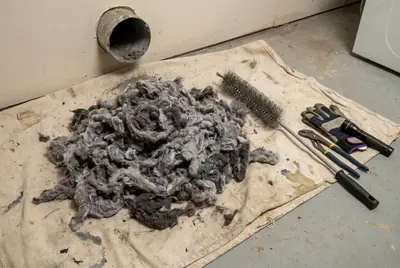
Every single time you tumble your wet clothes, little tiny threads break off and get pushed down your exhaust pipe. Over many months, those fuzzy pieces build up into a super thick wall that blocks all the damp air from leaving your house. Honestly, it is kinda scary how fast a small lint blockage turns into a massive fire risk right behind your laundry machine. You will notice your clothes taking forever to dry, which wastes a ton of power and drives up your bills every month...
Besides stopping house fires, removing that thick clogged dirt makes your expensive laundry machines last way longer than usual. When hot air cannot escape, your appliance runs extra hot and burns out the heating element way before its time. Luckily, clearing out those hidden pipes brings back full airflow so your pants and towels dry fast again. On top of that, you stop smelling that weird damp odor in your utility room!
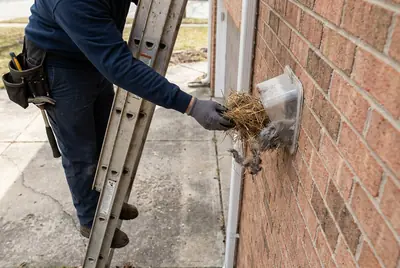
Actually, living out in Livingston County means dealing with big seasonal weather shifts that make bad exhaust pipes even worse during winter. Nesting birds and little mice love to build cozy homes inside open exterior louvers when it gets cold outside. After they drag in small twigs and grass, your line gets totally jammed up tight. Calling a local helper to pull out that debris saves you from crazy big repair bills down the road.
Recognizing the Warning Signs Inside Your Laundry Setup
First off, pay close attention to how hot your clothes feel right after a cycle finishes. If your jeans are scorching hot to touch but still super damp, air flow is definitely blocked tight somewhere inside the wall. Furthermore, you might see thick dust clinging to the wall right behind the dryer unit itself. That happens because trapped air forces lint backwards through tiny pipe cracks and loose connection joints.
Next up, listen closely to the strange sounds coming from your wall vent line during operation. A totally clear pipe lets air rush through smoothly with a soft, steady blowing sound on the outside wall. Instead, a choked pipe sounds muffled and causes the laundry drum to shake much harder than normal. Plus, if a single load takes two or three full hours, something is definitely wrong in there.
Suddenly, you might even notice your utility room feels like an hot humid sauna every time you run a load. That excessive moisture cannot escape outside, so it spills right back into your living space through loose flex connections. Consequently, ugly black mold can start growing on your drywall behind the machine, which is a big mess to clean up. Catching these small signs early keeps your family safe and keeps cash in your wallet.
How Professional Airway Clearing Keeps Your Money Safe
Clearly, saving cash on monthly utility bills is something every homeowner wants these days. When your flexible exhaust tube is completely clear, your machine finishes loads in forty minutes instead of ninety. Which means your electric meter stops spinning like crazy, keeping extra hard-earned dollars in your bank account every single month. Honestly, the service practically pays for itself after just a few fast laundry cycles!
Additionally, modern appliance replacement costs are totally out of control right now. Running an overloaded machine strains the internal belt, damages the bearings, and fries delicate electronic circuit boards real fast. By simply letting the system breathe easy, you double the lifetime of your expensive washing and drying equipment. Why throw away money on a new appliance when a simple routine pipe clear fixes the whole issue?
| System Status |
Drying Time Per Load |
Fire Hazard Risk |
Monthly Power Impact |
| Fully Cleaned Exhaust Pipe |
35 to 45 Minutes |
Very Low Risk |
Lowest Operating Cost |
| Partially Clogged Pipe |
60 to 80 Minutes |
Moderate Risk |
Noticeable Bill Increase |
| Severely Blocked Exhaust |
90+ Minutes |
Extremely High Risk |
Highest Electric Usage |
To be honest, the local economy here features a median household income of $32,188, so wasting cash on extra power makes no sense. Every single dollar counts when you are running a household and trying to save up for important family stuff. Fixing blocked exhaust lines is one of the easiest ways to stop leaking money out of your home budget. Therefore, taking care of this simple maintenance job gives you total peace of mind without breaking the bank.
The Technical Process of Scrubbing Out Hidden Exhaust Lines
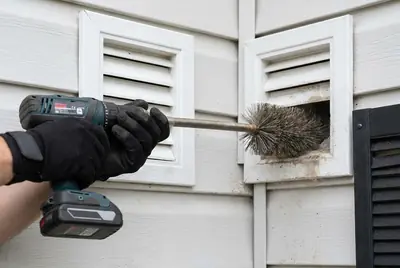
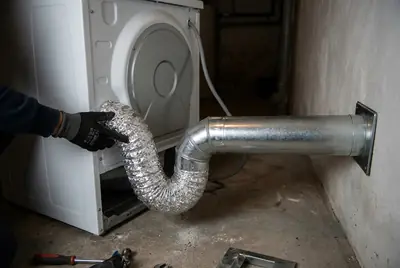
Now, let us talk about how actual local technicians clear out these sneaky metal tubes safely. First, the professional pulls the machine away from the wall to inspect the flexible foil transition hose for tears or heavy crushed spots. After checking the hose, they hook up a high-powered rotary brush system that spins inside the rigid metal pipework. This special rotary tool breaks loose stubborn, baked-on lint layers that have been stuck inside for several years.
Simultaneously, a massive industrial vacuum collector attaches to the inside pipe opening to pull out all loosened dust particles instantly. This keeps all that filthy gray dust from blowing back inside your clean house or making a giant mess on your floor. Furthermore, the worker goes outside to inspect the exterior louver vent hood on your outer siding or roofline. They scrub away bird nests, clean off clogged wire screens, and make sure the flap swings open freely.
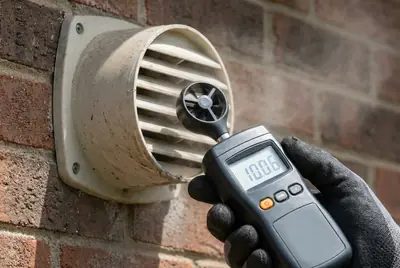
After finishing the deep mechanical brush pass, the technician tests the air speed with an airflow meter gauge. This tool proves that air speed going outside is back to original factory strength before the worker leaves your home. Naturally, having real proof that your exhaust line blows strong feels fantastic after dealing with endless wet laundry loads. The whole job takes less than an hour, leaving your home totally clean and completely safe!
Comparing DIY Fixes Against Professional Equipment Services
Alright, you might think about buying one of those cheap plastic flexible rod kits at the hardware store. However, those cheap DIY rods often snap off right inside long metal pipes hidden behind your drywall structure. Once a broken rod gets stuck in your wall, you end up cutting open sheetrock to extract it... which costs a small fortune to repair! Professional crews use continuous heavy-duty steel cables that never break off inside your structure.
Furthermore, small home shop vacuums simply do not pull enough air volume to move thick, heavy wet lint masses. A standard vacuum loses suction after ten feet, leaving giant piles of packed lint sitting deep inside your wall cavity. Conversely, high-power specialized suction rigs move thousands of cubic feet of air every single minute, pulling out every scrap. Why risk making the blockage worse when trained helpers have the right tools ready to go?
For instance, let us compare what happens when you try doing this project yourself versus hiring specialized local helpers.
| Task Feature |
DIY Cleaning Method |
Professional Service |
| Tool Reach |
10 to 12 Feet Max |
Up to 50 Feet Deep |
| Suction Power |
Weak Shop Vacuum |
Industrial Vacuum System |
| Risk of Pipe Damage |
High (Rods Can Snap) |
Zero Risk Guaranteed |
| Airflow Measurement |
Guesswork Only |
Digital Meter Verification |
Obviously, using specialized equipment gets rid of all the annoying guesswork involved with fixing long, winding wall pipes. Professional technicians know how to handle tight elbows without punching holes through light aluminum transition ducts. Which means your entire setup stays totally sealed, safe, and legal according to local building safety codes.
Understanding Local Area Needs in Our Small Community
Living in a cozy town with a population of 218 residents means everybody knows their neighbors pretty well. Homes around the 64635 area code range from historic older farmhouses to newer custom-built ranch structures. Older homes often feature super long pipe runs with multiple right-angle turns that trap dust way faster than modern short outlets. Knowing how local houses were built helps local pros fix your specific duct layout without any hassle.
Likewise, humid midwestern summer air turns loose dry lint into a sticky paste inside cold basement pipes. That paste bakes onto metal surfaces during hot summer cycles, creating stubborn layers that regular store tools cannot scrape off. Having local service workers come right to your door guarantees you get the right mechanical treatment for rural living conditions. We care about keeping our local neighbors safe from preventable house fires!
Besides, dealing with small local businesses means you get friendly service from folks who actually live near your neighborhood. You do not have to deal with pushy call centers or distant corporate offices that put you on hold forever. Instead, you get straightforward answers, honest advice, and direct quotes for your exact home setup right away.
Simple Habits to Keep Your Air Path Clear Between Services
Before every single load you run, pull out the mesh lint screen and scrape off every bit of fuzz. This super easy habit takes three seconds but keeps massive amounts of debris out of your main wall pipe system. Furthermore, never run your appliance when leaving the house or going to sleep at night... just in case something ever overheats. Small safety habits like these keep your home protected every day of the week.
Additionally, check your outdoor exit louver once every couple of months to make sure nothing blocks the plastic flaps. If you see grass clippings, cobwebs, or leaves stuffed inside the outer hood, pull them out carefully with your hands. On top of that, make sure your flexible connector hose behind the machine is not smashed tight against the wall. A squished hose stops airflow just as bad as a thick wall of lint inside the pipe!
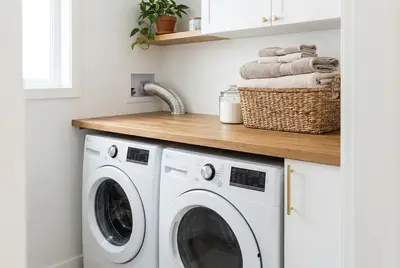
Whenever possible, swap out outdated plastic coiled foil hoses for rigid metal transitional ducting right behind your appliance. Smooth metal tubing does not catch fuzzy debris nearly as fast as ribbed flexible foil materials do. This simple upgrade keeps air moving fast and reduces fire risks even further between professional service visits.
Requesting Your Free Estimate Today
Now is the absolute best time to take care of that clogged laundry tube before it causes major trouble. Calling a local expert gets you an accurate cost assessment without spending a single dollar upfront. Our friendly local team visits your property, checks your setup, and hands you an honest, completely free price quote instantly!
Stop wasting extra money on high electric bills and stop waiting hours for wet towels to dry off properly. Protect your home and keep your family totally safe from scary utility room fires with one quick message today. Reach out to your local exhaust line specialists right now to get your hassle-free quote scheduled in seconds!