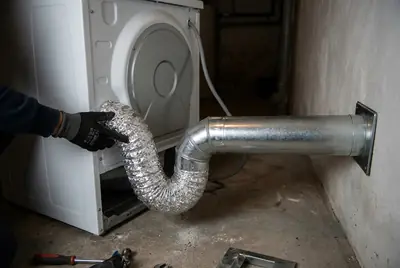
In Colton, South Dakota, clothes that take a long time to dry can carry a musty odor after the cycle. The problem often comes from a buildup that restricts the air path behind the machine. A straightforward tune-up restores airflow, which can make the laundry routine faster and safer.
That Lingering Smell and Those Endless Cycles: What's Really Going On
You've probably noticed it. That musty odor that sticks to your clean clothes even after they've been through the dryer. Or maybe you're just plain fed up with running the machine for what feels like an eternity, only to pull out damp garments. These aren't just minor annoyances they're often signals that something isn't quite right with your appliance's exhaust system.
This system, the often-overlooked pathway for hot, moist air to escape your home, can become a real bottleneck. Over time, lint, dust, and other debris accumulate within its confines. This buildup acts like a stubborn clog, preventing efficient airflow. Which means your clothes get less heat and stay wet for longer.
The Buildup is Real, and It's Worse Than You Think
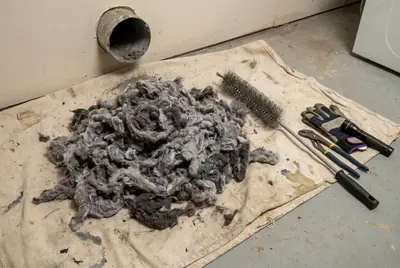
So, what exactly gets trapped in there? Think of all the tiny fibers shed from your laundry with every single load. These fibers, along with pet hair, stray threads, and even small bits of fabric, combine to create a dense mat. This mat grows and grows, constricting the space where air needs to travel freely.
Furthermore, the heat and moisture from your dryer can actually help bind these particles together, making the blockage even more solid. This isn't just about your clothes not drying properly. This persistent obstruction can put a significant strain on your dryer, forcing it to work harder than it needs to. Which, as you can imagine, isn't great for its lifespan or your electricity bill.
Beyond Inconvenience: The Hidden Dangers
Now, let's talk about something a bit more serious. While the inconvenience of damp clothes is bad enough, there's a more significant risk associated with a clogged dryer vent. Lint, especially the fine, fluffy kind, is highly flammable. When this highly combustible material builds up in proximity to the heat generated by your dryer, it creates a real fire hazard.
It's a scenario that nobody wants to deal with, and thankfully, it's largely preventable. Addressing this buildup proactively is one of the smartest things you can do for your home's safety and your peace of mind. It's about more than just making your laundry day easier; it's about safeguarding your living space.
Restoring Airflow: The Magic of a Clear Path
The solution is surprisingly simple and incredibly effective. It involves thoroughly cleaning out that entire pathway that carries air from your dryer to the outside. This process removes all the accumulated gunk, restoring optimal airflow and letting your dryer operate as it was designed to.
When this system is clean, your dryer can expel hot, moist air efficiently. This means your clothes dry faster, using less energy. You'll notice a significant reduction in drying times, and your clothes will come out feeling truly dry and fresh, not just slightly less damp.
Why This Tune-Up Matters So Much
Think of it like this: your dryer is essentially a powerful fan pushing heated air through a tube. If that tube is partially blocked, the fan has to work much harder, and less air gets through. A professional cleaning clears out that tube, allowing the fan to do its job with ease.
Which means your dryer runs more efficiently. This efficiency translates directly into lower energy consumption. You'll likely see a positive impact on your utility bills. Plus, a well-functioning dryer experiences less wear and tear, potentially extending its life. It's a win-win situation for your wallet and your appliance.
The Immediate Benefits You'll Experience
The most obvious benefit is, of course, faster drying times. You'll be able to get through your laundry pile much quicker. No more waiting around for that second or third cycle. Your clothes will emerge feeling warmer and much drier.
On top of that, you'll probably notice your clothes smell fresher. The musty odors are eliminated as the source of the smell is removed. This leaves your laundry smelling genuinely clean. It's a refreshing change that you'll appreciate every time you open the dryer door.
Signs It's Time for a Professional Touch
Sometimes, the signs are obvious. Other times, they can be a bit more subtle. But if you're experiencing any of these, it's a pretty good indicator that a thorough cleaning is in order. Don't wait until it becomes a major issue.
The Obvious Clues You Can't Ignore
The most common red flag is, as mentioned, excessively long drying times. If your clothes are still damp after a full cycle, or even two, your vent system is likely the culprit. You might even feel excessive heat building up around the dryer itself or near the exterior vent.
Another tell-tale sign is that lingering, unpleasant odor. If your clothes don't smell fresh after drying, even if they seem dry, the trapped moisture and lint are probably creating a breeding ground for mildew or other unpleasant smells. This smell can also become noticeable around the exterior vent.
Subtle Hints That Warrant Attention
Now, let's consider some less obvious clues. Is your dryer hotter than usual to the touch after a cycle? This can be a sign that it's struggling to expel air effectively. Which means it's overheating.
Have you noticed an unusual amount of lint accumulating in the lint trap after just one load? This could indicate that more lint is getting past the trap and into the vent system, suggesting a blockage further down the line. It's a sign that the airflow is being disrupted.
The Process: What to Expect When We Help
When you schedule a cleaning, you can expect a thorough and professional approach. We're not just going to give it a quick once-over. Our goal is to get that vent system completely clear, from the back of your dryer all the way to the outside of your home.
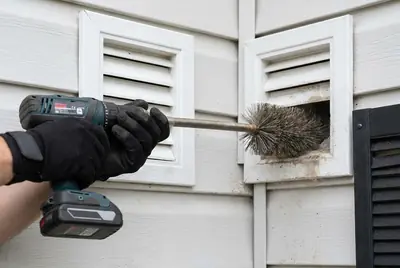
We use specialized tools designed to reach deep into the ductwork. These tools effectively dislodge and remove accumulated lint and debris. Our technicians are trained to handle all types of vent configurations. This ensures a complete and effective cleaning every time.
Step-by-Step to a Safer, More Efficient Dryer
First, we'll carefully disconnect your dryer from the vent line. This allows us access to the interior of the vent. Then, we'll use powerful, yet safe, equipment to push air and specialized brushes through the entire length of the duct.
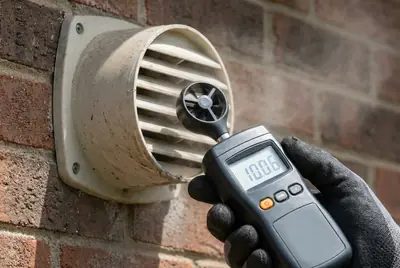
This process breaks up any stubborn lint buildup. We then vacuum out all the dislodged material. Finally, we'll reattach your dryer and test the system to ensure optimal airflow. We'll also clean out the dryer's internal blower components if needed.
Beyond the Ductwork: A Comprehensive Approach
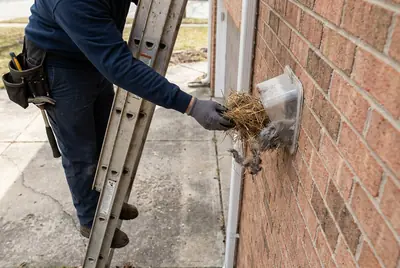
Our service isn't just about the flexible hose connecting your dryer to the wall. We'll also thoroughly clean the exterior vent hood, ensuring nothing is blocking the exit point. Sometimes, bird nests or other obstructions can form there, hindering airflow.
We pay attention to the details. This comprehensive approach guarantees that your entire drying system is functioning at its best. Which means you get the most efficient and safest operation possible. It's a commitment to your home's well-being.
The Perks of Choosing Local Expertise
When you're looking for someone to tackle this essential task, choosing a local professional makes a lot of sense. We're right here in your community, serving folks in and around Colton, South Dakota. We understand the local climate and the specific needs of homes in this area.
Knowing that we're your neighbors means we're invested in providing top-notch service. We're not some faceless corporation. We're people who live and work here too. This commitment to quality shines through in everything we do.
Why Being Nearby Matters for Your Home
Being local means we can respond quickly. If you're experiencing a pressing issue, you don't have to wait days for a technician from far away. We can often schedule appointments promptly. This means your problem gets solved faster.
Furthermore, we understand the unique characteristics of homes in Minnehaha County. Whether it's older construction with different vent types or the specific humidity levels that can contribute to lint buildup, we have the experience to handle it. We know what works best for homes in the 57018 ZIP code and surrounding areas.
The Value of a Free Estimate
We believe in transparency. That's why we always offer a free, no-obligation estimate. You'll know exactly what to expect before any work begins. No hidden fees, no surprises. Just honest service and a clear understanding of the investment.
This allows you to make an informed decision. We'll assess your specific situation and provide a detailed quote tailored to your needs. It's part of our commitment to serving you with integrity and helping you maintain a safe and efficient home.
Making the Smart Choice for Your Home
So, if you're noticing those longer drying cycles, that persistent musty smell, or just want the peace of mind that comes with a well-maintained home, it's time to consider a professional cleaning. It's a small investment that pays significant dividends in efficiency, safety, and overall convenience.
Think about the time you'll save. Think about the energy you'll conserve. Most importantly, think about the reduced risk of a dangerous lint fire. These are all tangible benefits that contribute to a better living experience right here in our South Dakota community.
Taking That First Step Towards Better Laundry Days
Don't let a clogged vent system continue to be a problem. It's a solvable issue, and we're here to help. We'll restore your dryer's performance, making your laundry days less of a chore and more efficient.
Reach out today. Let us take a look at your dryer vent system. We're ready to provide that free estimate and show you how a clean vent can make a real difference in your home. It's the smart, practical step towards a safer and more efficient household.