Are your clothes taking forever to dry lately? Removing built-up lint from laundry exhaust channels fixes this headache fast and keeps your home totally safe. Grab your free quote today to get things running smooth again!
Why Your Laundry Appliance Exhaust Line Needs Attention Right Now
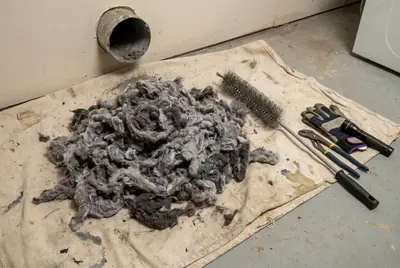
First off, let us talk about that annoying pile of wet towels hanging out in your machine. You press start, wait an hour, and find them still soaking wet... which is super frustrating! Frankly, giant wads of fuzz hide inside those hidden metal pipes over time. This blockage stops hot moist air from escaping your house properly.
Actually, when air cannot flow, your machine works double time and burns way too much electricity. Suddenly, your monthly utility bills shoot through the roof for no good reason. Even worse, that trapped heat turns into a serious fire hazard behind your drywall. Getting those dark passages cleared out saves your wallet and brings complete peace of mind.
Besides, living around Multnomah County means dealing with plenty of damp weather throughout the year. Humidity outside combined with trapped vapor inside creates a messy recipe for gross mold growth. That nasty mildew smell bleeds right into your clean shirts and blankets.
clear signs your wall pipes are totally clogged
Honestly, your house always gives you subtle warnings before things completely break down. You just need to know what weird stuff to watch out for.
| What You Notice |
The Hidden Cause |
The Direct Benefit Of Fixing It |
| Fluff piling up behind machine |
Air leaks out of loose pipe joints |
Keeps your utility area super clean |
| Appliance top feels burning hot |
Heat cannot escape to the outside |
Protects internal electronic parts from frying |
| Laundry smells like damp earth |
Moisture stays trapped in the drum |
Smell fresh and clean all day long |
To start with, pay attention to how long a single load takes to finish up completely. If you are running the dial two or three times for heavy denim, something is definitely wrong. Consequently, all that extra spinning wears out fabric fibers way faster than normal.
Next, head outside and check the exterior hood vent on your outer wall while the machine runs. Is the little plastic flap opening up wide to vent hot air? If it barely wiggles, heavy debris is blocking the pipe passage somewhere deep inside.
On top of that, you might smell a faint burning odor during the main cycle. Never ignore that warning sign! It means trapped fuzz is getting super hot near the heating element, which is super dangerous.
Real Hazards Of Ignoring Hidden Fuzz Buildup
Naturally, nobody thinks about the shiny foil tube buried behind their heavy wallboard until major trouble happens. Out of sight, out of mind, right? Well, that quiet neglect leads to massive headaches later down the road.
To put it simply, thousands of house fires start every single year from trapped laundry debris ignition. Highly flammable fluff acts just like dry wooden tinder when exposed to high heat. Clearing those lines completely eliminates that scary risk from your daily routine.
Furthermore, excessive backpressure wrecks the expensive heating coils inside your machine. Replacing those broken internal components costs a total fortune nowadays. Regular maintenance protects your valuable investment so it lasts for many years.
Mind you, trapped damp air also damages surrounding structural wood beams slowly over time. Moisture seeps into floor joists, causing dry rot and super expensive structural repairs. Keeping airflow clear protects your entire home structure from hidden moisture damage.
How A Professional Pipe Evacuation Process Actually Works
Now, you might think about grabbing a cheap plastic brush kit from the local hardware store. Honestly, those flexible sticks often snap off inside long bends and make things ten times worse. Professional gear handles those tricky elbows without breaking a single sweat.
To begin, specialized technicians hook up a high-powered vacuum collector system near the wall connection. This super strong suction pulls everything backward so dust does not fly into your living room. Your indoor air stays fresh and clean during the entire service.
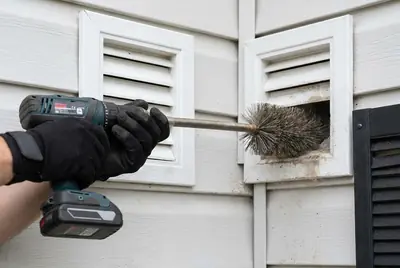
After that, long flexible rods equipped with rotating scrub heads spin through the long metallic ducting. These soft spinning bristles scrub away stubborn packed dust sticking along interior walls. Every bit of trapped gunk breaks loose instantly.
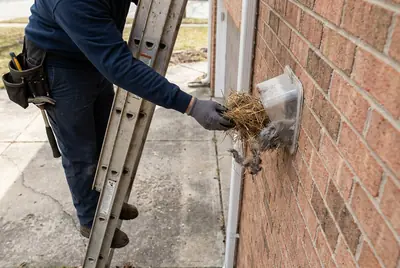
Then, air-whip tools blast high-pressure streams inside to blow out hidden corners. Even stuck bird nests near outer wall louvers get totally removed without damaging delicate duct walls. You get total optimal air delivery restored instantly.
The Hidden Parts Of Your Exhaust System
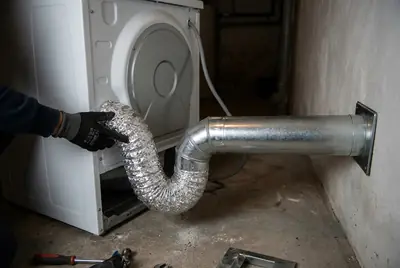
Initially, air travels through a flexible transitional connector behind the metal cabinet. If this tube gets crushed or kinked against the back wall, airflow drops drastically. Replacing squished flex lines with rigid aluminum restores full exhaust capacity.
Furthermore, long internal runs travel up through interior walls toward distant rooflines. These hidden vertical sections collect heavy damp lint that falls backward due to gravity. Specialized long-reach tools clean these vertical shafts completely.
Local Factors Affecting Your Home Setup
Interestingly, this Pacific Northwest hub near the Columbia River Gorge sees massive rainfall yearly. With over 110,000 folks calling this active suburb home, lots of families run laundry constantly. Rain soaked jackets and mud-covered activewear strain residential machines extra hard every season.
In fact, high humidity prevents loose damp fuzz from traveling easily through cold exterior vents. Instead, wet particles stick onto metal walls like thick glue inside neighborhood homes. Local houses in popular zip codes like 97030 or 97080 suffer from heavy line clogging often.
Additionally, typical household incomes around $52,303 mean folks want to avoid unnecessary appliance replacement bills. Keeping original equipment running smooth saves hard-earned cash for fun family activities instead. Regular vent checks protect your household budget effectively.
Moreover, local wildlife loves nesting inside warm exterior exhaust ports during chilly winter months. Birds and small rodents squeeze past broken exterior louvers to construct cozy homes. Removing these animal blockages brings full safety back to your laundry space.
Concrete Benefits Of Maintaining Clear Exhaust Pathways
Right off the bat, your clothes dry ultra fast in just one quick spin. You stop wasting endless hours waiting around to fold warm towels on laundry day. Life becomes so much easier and way less stressful.
Simultaneously, your monthly power bill drops down back to reasonable levels. Saving money on electric bills feels pretty awesome every single month... who doesn't like extra cash? That extra dough stays right where it belongs in your savings account.
Also, your favorite shirts, soft sweaters, and cozy pants last way longer. Harsh repetitive heat bakes fabric, causing ugly fading and weak frayed seams. Gentle low heat keeps your wardrobe looking fresh and bright.
As a bonus, quiet performance returns to your utility space immediately. Blocked lines make fans strain hard, creating annoying rattling and deep humming noises. Smooth airflow lets your machinery operate softly without disturbing your evening peace.
Simple Habits To Keep Air Moving Smoothly
First of all, clean out your removable screen trap after every single load you dry. This super easy habit catches seventy percent of loose fibers before they enter wall ducts. It takes five seconds and makes a huge difference.
Secondly, avoid overloading your appliance drum with massive piles of thick laundry. Jamming too many heavy blankets inside blocks air circulating through metal baffles. Give garments space to tumble around freely.
Thirdly, wipe down the rubber door gasket regularly to remove stray hair and grime. Clean seals prevent dust escaping into internal motor housings where it causes mechanical friction. Basic upkeep keeps major repairs far away.
Finally, schedule an annual professional assessment to sweep deep hidden turns inside your walls. Expert tools clear out sneaky deposits before they create total line blockages. Prevention saves you massive headaches every time.
What You Can Expect During A Service Visit
To start, a polite field technician arrives right on time with professional equipment ready. They inspect your entire line setup from internal connection to exterior exit flaps. You get clear honest answers about your system condition.
Next, heavy-duty floor covers protect your clean hardwood floors and soft carpet paths. Cleanliness matters, so no dirty boots walk across your clean living space. Everything stays immaculate throughout the entire visit.
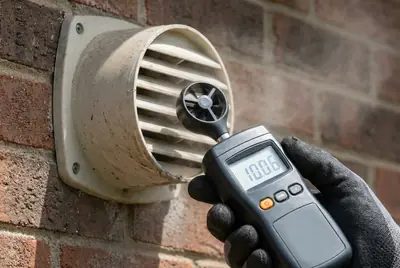
Then, air flow meters measure before-and-after pressure levels inside your lines. Seeing real digital proof of improved air speed gives you total confidence in the work done. You know the job was completed right.
Lastly, outer flaps are inspected, cleaned, and tested to ensure tight pest-proof sealing. Damaged louver covers get swapped out so pesky insects cannot crawl inside later. Your system gets left in perfect working order.
Take Action Now For A Safer Home
Ultimately, waiting until your machine breaks down completely costs way too much money and stress. Heavy lint accumulation gets worse every week you put off simple maintenance. Taking care of it now prevents massive emergency headaches down the road.
In short, grabbing a completely free quote takes less than two minutes today. You learn exact costs upfront with zero hidden fees or weird surprise charges later. Friendly local pros come right to your door and fix everything fast.
So, why keep struggling with damp clothes and crazy high electric bills every month? Click the button right below to claim your zero-cost project estimate right now! Enjoy fast drying times and full cozy relaxation in your home today.