Stop Letting Lint Trap Your Home in Danger
Your laundry routine shouldn't feel like playing with fire every single weekend. Fortunately, grabbing a FREE estimate lets you tackle hidden hazards right in Cavalier County without guessing.
Over time, heavy loads shed tiny fibers that bypass the little mesh screen entirely. This pesky debris travels deep inside your metal tubing and creates a massive obstruction. Which means your machine works twice as hard just to dry a simple load of towels.
Most folks in zip code 58249 never think about the hidden airway behind their laundry machines. Yet, ignoring this maintenance task invites costly repairs and dangerous house fires into your living space. Therefore, taking a proactive approach protects your family and keeps your utility bills manageable.
Why Ignoring Your Exhaust Pathway Costs You Dearly
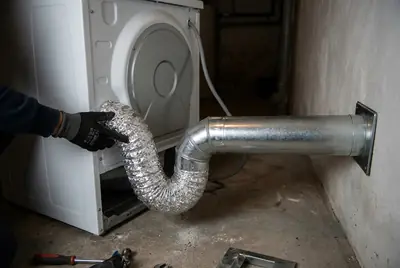
When the twisting aluminum pipe gets plugged with gray fluff, heat has nowhere safe to escape. This trapped thermal energy builds up rapidly and turns your appliance into a ticking time bomb. Consequently, local firefighters respond to preventable blazes caused by lazy housekeeping habits every single year.
Your monthly electric bill usually spikes when your clothes take three cycles to finish drying. This extra strain burns out heating elements prematurely and forces you into buying a pricey replacement sooner than expected. By comparison, clearing out that restricted airway saves you hundreds of dollars in energy costs.
Mildew growth also thrives inside damp, blocked tubing when moisture cannot vent outdoors properly. This nasty dampness creates awful smells that seep directly into your freshly washed wardrobe. Ultimately, nobody wants to wear clothes that smell like a musty basement.
How Local Professionals Clear Out Hidden Hazards
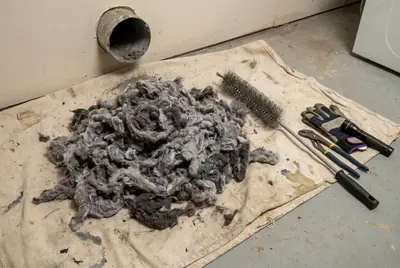
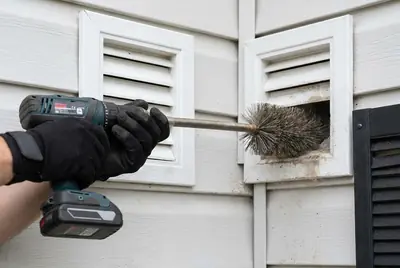
Qualified technicians arrive at your property with specialized rotary brushes and high-powered vacuum systems. This heavy-duty gear grabs stubborn lint clumps and pulls them completely out of your home. As a result, your exhaust system flows freely and operates at peak factory efficiency.
Working in a town of 1,867 residents means trusting a neighbor who respects your property. Contractors here take pride in doing the job right the first time without leaving any mess behind. Meanwhile, you get to relax and enjoy the peace of mind that comes with clean machinery.
Every single home layout presents unique challenges with venting pathways running through walls or ceilings. Pros know exactly how to handle tricky bends and long exterior runs without damaging your drywall. This lets you avoid disastrous DIY mishaps that usually end in broken pipe connections.
What You Need to Know About Local Service Standards
Residents across this northern prairie region experience harsh winters that make indoor chores even more crucial. When the thermometer drops, running a heavily burdened appliance pumps warm, humid air right against cold exterior walls. This temperature clash produces condensation that glues floating fibers into solid brick walls of fuzz.
Property owners managing households where the median income sits around $67,536 appreciate smart investments that prevent financial surprises. Spending a tiny bit on professional upkeep shields your budget from devastating fire damage and expensive appliance swaps. Therefore, scheduling regular checkups acts as cheap insurance for your entire household.
Choosing the right local contractor involves looking for honesty, fair pricing, and prompt arrival times. You deserve a straightforward crew that explains the process clearly without using confusing technical jargon. On top of that, having a transparent pricing model ensures you never face hidden fees.
Signs Your Exhaust System Needs Immediate Attention
Clothes taking forever to dry usually indicate a severely restricted airflow problem. If your towels still feel damp after a standard sixty-minute cycle, you need professional help right now. This tells you the exhaust line is choking on years of accumulated laundry debris.
The top of your laundry unit feels scorching hot to the touch during operation. This dangerous symptom means thermal energy cannot escape outdoors and is backing up into your utility room. Which means you are staring at a major fire hazard waiting to ignite.
A strange burning odor fills the hallway whenever you turn on the tumbler. This distinct smell comes from baked lint roasting inside the hot metal pipe. Naturally, ignoring this warning sign is a massive gamble with your family's safety.
Important Details About Your Local Service Area
Langdon represents a tight-knit community where neighbors help neighbors keep their properties safe and secure. Living in North Dakota means dealing with unique seasonal shifts that impact how your household systems run. Because of this, seasonal maintenance checks should always top your home care checklist.
Zip codes like 58249 see plenty of freezing winter days when indoor activities ramp up significantly. Families do loads of laundry almost daily to keep up with heavy winter gear and warm bedding. Consequently, your venting pathways accumulate obstructive material much faster than you might realize.
Professional contractors understand regional architectural styles found throughout Cavalier County. Whether your house is a vintage farmhouse or a modern build, technicians adapt their methods to fit your exact setup. This ensures a thorough evacuation of every speck of trapped dust.
Comparing DIY Efforts Versus Professional Equipment
Store-bought plastic kits often snap off halfway through a long, winding exhaust run. This leaves you with a bigger blockage than you started with and zero way to retrieve the broken rod. Conversely, commercial-grade steel cables navigate tricky corners effortlessly.
Household vacuum cleaners lack the suction power needed to pull pounds of packed fuzz out of a twenty-foot duct. Industrial extraction units move massive volumes of air to suck out every single microscopic particle. This leaves your tubing as clean as the day builders first installed it.
Crawling into tight crawlspaces or scaling snowy roofs to check exterior flaps is dangerous work. Letting a trained service provider handle the heavy lifting keeps you safely on solid ground. This lets you avoid nasty slips, falls, and unnecessary trips to the emergency room.
Financial Benefits of Maintaining Your Exhaust Pathways
Lower energy bills show up on your monthly statement almost immediately after a thorough duct clearing. Your machine no longer fights against a wall of resistance to push humid air outside. This efficiency drop translates directly into noticeable utility savings.
Extending the operational lifespan of your washer and dryer saves you thousands of dollars down the road. Appliances burdened by restricted airflow burn out their motors and sensors way too early. By comparison, smooth airflow keeps your mechanical investments running smoothly for decades.
Preventing catastrophic house fires protects your most valuable asset from turning into ash. Insurance companies love to see records of regular maintenance when evaluating property safety measures. Therefore, taking action today safeguards both your wallet and your peace of mind.
Steps to Prepare Your Home for Service Day
Clear away any stray laundry baskets, detergent bottles, and pet supplies surrounding your washing machine. This gives technicians enough room to pull the heavy units away from the wall safely. Making space ahead of time speeds up the entire operation considerably.
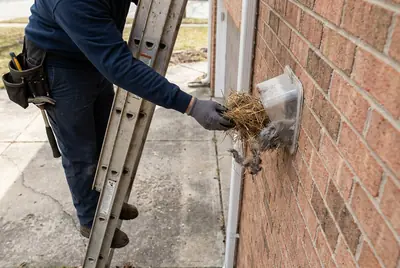
Locate the outside vent hood on the exterior wall of your house so the crew can inspect the damper flap. Sometimes stubborn birds build nests inside these exterior openings during the spring months. Pointing out this spot helps workers diagnose external blockages right away.
Write down any specific issues you notice during your normal laundry routine to share with the arriving technician. Mentioning unusual drying times or strange noises helps the crew target problem areas immediately. This collaborative approach guarantees a comprehensive job from start to finish.
What to Expect During Your Professional Appointment
Friendly technicians arrive right on schedule and inspect your entire laundry setup from back to front. They assess the length and material of your exhaust tubing before starting any physical work. This initial walkthrough ensures no hidden damage gets overlooked.
Workers protect your flooring using drop cloths while they disconnect and service your heavy machinery. They feed flexible rotating rods through the metal ductwork to scour away stubborn buildup. Meanwhile, high-powered vacuums capture all the flying debris so your indoor air stays fresh.
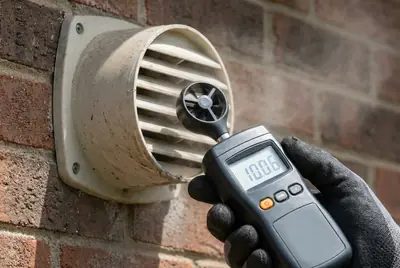
The crew reconnects your appliances and tests the airflow to confirm everything operates at peak performance. They clean up their work area completely before heading out to their next local appointment. This leaves your utility space looking even better than they found it.
Frequently Asked Questions About Exhaust Maintenance
How often should property owners schedule this crucial service for their laundry systems? Most manufacturers recommend a professional inspection and clearing session at least once every single year. However, larger households running multiple loads daily might need attention more frequently.
Can flexible plastic foil tubing cause extra problems behind the laundry machine? Absolutely, because flexible plastic sags in the middle and catches lint easily while posing a massive fire risk. Upgrading to rigid metal piping solves this safety issue permanently.
Do professional sweeps damage older aluminum ductwork inside the walls? Qualified technicians use specialized brushes designed specifically to clean delicate metal tubing without causing punctures or tears. Your infrastructure remains completely secure throughout the entire cleaning process.
Take Control of Your Home Safety Today
Procrastination remains the greatest enemy when dealing with hidden fire hazards inside your laundry room walls. Taking quick action today shields your household from unexpected disasters and expensive utility bills. Fortunately, getting started takes less than a minute of your time.
Reach out right now to claim your no-cost evaluation and find out exactly what is hiding in your walls. Friendly local professionals stand ready to restore safety and efficiency to your daily laundry routine. Do not wait until a small blockage turns into an emergency.
Requesting your complimentary quote puts you in touch with trusted local experts who care about your property. Experience the relief of working with dedicated contractors who prioritize your family's safety above everything else. Submit your details today and take the first step toward a safer home.