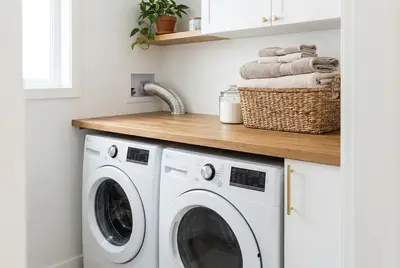
Dirty laundry exhausts create serious fire hazards in your laundry room today. Cleaning out that hidden metal pipe brings total safety and slashes your electric bills fast. Request your free estimate today to protect your family!
Why Your Laundry Setup Needs Immediate Attention
Most folks in Holt County never think about the hidden piping behind their laundry machines until problems pop up. Every time you tumble your clothes, tons of tiny fuzz strands escape past the small mesh trap inside the drum. Slowly but surely, those tiny fibers stick to the walls of the exhaust pipe, creating a thick blanket that blocks airflow completely. This hidden buildup traps hot air inside the machine, forcing your laundry appliance to work twice as hard to dry a simple load of towels.
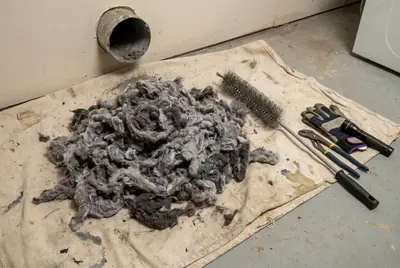
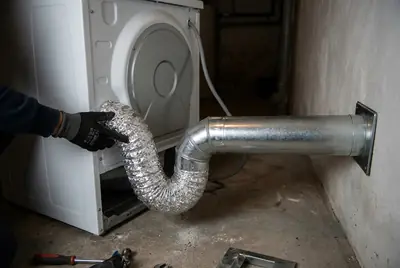
When I pulled the heavy machine away from the wall, I found a crushed flex line packed with damp grey fluff that felt like wet felt. Clearing out that blockage saved me hundreds on my electric bill the very next month... and my machine stopped smelling like it was baking dirt. That simple maintenance extra really gave us complete fire safety and total peace of mind in our home.
Besides that, trapped lint acts just like dry firewood waiting for a tiny spark to ignite. The heating element inside a gas or electric appliance gets scorching hot when air cannot flow freely to the outside vent hood. Eventually, that intense heat ignites the trapped debris inside the pipe, which spreads flames into your wall framing within seconds. Getting a regular tune-up keeps your household safe while saving you tons of cash on monthly energy costs.
Signs Your Laundry Line Is Completely Blocked
Detecting a clogged exhaust line is pretty easy once you know what clues to look for around your laundry room. First off, your clothes will feel super hot to the touch after a standard cycle finishes, yet they stay completely damp inside. On top of that, you might smell a dusty, scorching odor whenever the drum spins, which means heat is backing up into your living area. When these red flags show up, calling a trusted local contractor for a quick checkup is the absolute best move.
Along with weird smells, you should inspect the exterior flapper vent outside your house while the cycle runs. If that small plastic hood barely opens or stays closed completely, your air path is heavily restricted with dense debris. Furthermore, excessive humidity inside the utility space or top-notch lint collecting on surrounding walls proves that exhaust air has nowhere else to go. Addressing this headache early prevents expensive machine breakdowns down the road.
| Problem Sign |
What It Means |
Your Benefit After Service |
| Long Drying Times |
Airflow is blocked by fluff |
Dries clothes in one quick spin |
| Burning Odors |
Excess heat is igniting dust |
Prevents sudden house fires |
| Hot Exterior Shell |
Trapped heat bakes internal parts |
Extends your machine life |
The Crazy Hidden Risks of Neglecting Your Line
Ignoring this simple chore creates severe hazards that go way beyond simple high utility costs. Overheated components can easily blow out thermal fuses inside your machine, resulting in costly repair bills from local appliance technicians. Furthermore, moisture trapped in the blocked exhaust tube backs up into your laundry space, causing hidden mold growth inside your drywall framing. Working with a skilled local technician removes all those nasty health risks before they start.
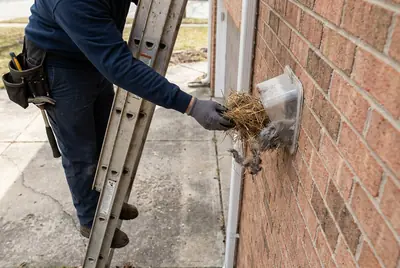
To make matters worse, bird nests and small critters love to crawl into open exterior flappers during colder winter months. These unwanted guests build dense twig nests inside the piping, creating an absolute wall that stops air cold. Meanwhile, heavy condensation mixes with dry lint inside the dark tube, creating a thick concrete-like sludge that ruins internal mechanical parts. Keeping these pathways clear shields your home against unexpected structural damage year after year.
Actually, living in a charming town of 997 residents with a median household income of $44,531 means keeping your hard-earned money in your wallet matters a lot. Spending cash on broken appliances because of simple neglect feels terrible when preventative care costs so little. Getting your routine maintenance scheduled protects your budget while improving daily home safety for your loved ones.
How Professional Line Clearing Really Works
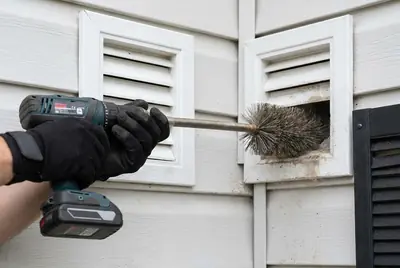
When our friendly crew arrives at your door, we start by unhooking your machine to inspect the rigid metal piping thoroughly. Next, we insert special flexible rotary rods equipped with specialized spinning brushes into the deep interior channel. These powerful rotation tools spin at high speeds to scrub baked-on debris off smooth metal interior walls without scratching the pipe material. Consequently, every last scrap of stuck material breaks free instantly.
At the same time, we attach a heavy-duty high-powered vacuum collector to the outer opening outside your house. This strong suction system pulls all loosened fluff, dust particles, and bird nests out of the pipe into an enclosed collection container. Therefore, no mess enters your living room, keeping your home spotless while we restore full airflow efficiency to your setup. You get crisp air flow without any annoying cleanup headaches when we finish up.
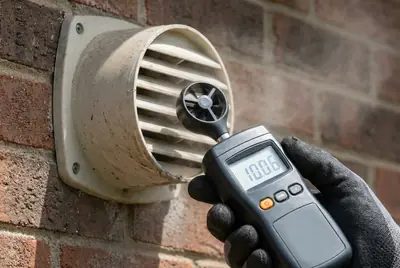
Finally, we run full airflow meter tests to guarantee your system moves exhaust air out at original factory specifications. This precise measuring step proves that your system operates safely before we reattach your appliances back into place. Furthermore, we inspect your flexible connectors to ensure they meet modern safety codes without dangerous plastic foil tubes. This complete care ensures maximum appliance performance year after year.
Why DIY Methods Often Fail Miserably
Many homeowners try using cheap store-bought brush kits that hook up to standard cordless drills to save a quick buck. Unfortunately, those flimsy plastic rods often snap off inside long metal pipe runs, creating a massive secondary obstruction that standard tools cannot reach. Even worse, sharp flexible rod ends can puncture thin metal tubing hidden deep inside your drywalls. Hiring a properly equipped local technician guarantees the job gets done right without damaging your property structure.
On top of broken tools, consumer vacuums simply lack the immense suction pressure required to pull dense lint blocks through long piping runs. In fact, poking around blindly with short handheld brushes usually packs loose dust tighter against distant elbow joints inside the wall. Consequently, you end up with a denser obstruction than you started with, raising your fire risks even higher. Relying on professional equipment delivers clean pipes without damaging your home setup.
Furthermore, standard shop vacuums tend to blow tiny dust particles right back into your indoor living area, ruining your air quality. Specialized trade machinery uses professional high-grade filters to capture every microscopic bit of dust during deep cleaning procedures. Thus, your home stays completely dust-free throughout our entire visit. Investing in proper service guarantees total peace of mind for your whole family.
Proven Ways to Keep Lines Clear Longer
While expert service is essential every year or two, simple daily habits help maintain smooth exhaust flow between visits. First, scrape off your small machine screen clean after every single cycle without fail. Second, avoid overloading your appliance drum with massive heavy blankets that crush incoming air spaces. These smart routine steps maintain high operational speed while protecting internal electrical parts.
Additionally, check your outdoor exhaust flap once a month to ensure it moves freely without sticking shut against external siding. Clearing away nearby garden weeds, leaf pile debris, or winter snow packs around the external hood keeps exhaust flowing outward smoothly. Furthermore, swap out soft plastic or coiled foil transitions for solid semi-rigid aluminum piping behind the machine. This easy upgrade stops crush points, delivering cozy warmth and cozy cozy warmth with top-tier operational performance.
Saving Money on Your Monthly Power Bills
Running a blocked laundry unit forces heating elements to run twice as long to clear out excess moisture from wet clothes. Naturally, this heavy power drain inflates your monthly electric or natural gas bill significantly over time. Clearing out dense blockages lets your machine finish loads fast, dropping your utility expenses back down immediately. That simple maintenance choice puts extra cash back into your bank account month after month.
Moreover, modern laundry appliances cost a small fortune to replace when internal motors burn out prematurely from extreme thermal buildup. Regular tune-ups reduce excessive stress on expensive drive belts, switches, and heating coils inside your machine. Which means your appliance lasts years longer, avoiding unexpected emergency trips to local appliance showrooms. Protecting your existing investment is always the smartest financial move.
Think about the simple math behind these recurring savings over a couple of years of routine home usage. Cutting drying cycle durations down by twenty minutes per load saves massive amounts of electricity over three hundred loads per year. Consequently, our affordable service pays for itself fast while removing serious household safety hazards. Getting things fixed early keeps your wallet happy throughout the entire year.
Local Service You Can Always Count On
Our small team lives and works right here in this wonderful corner of Holt County, servicing homes around the 64473 area code daily. We treat every customer like our next-door neighbor because we take immense pride in protecting our local community members. You never have to deal with pushy sales tactics or hidden surprise fees when working with our friendly local service team. We offer simple upfront pricing alongside top-quality craftsmanship on every job.
Whether you live in a classic historic property or a modern modular home build, we tailor our service to match your structural layout. Long pipe runs, wall turns, or roof vents pose zero problems for our specialized collection and brush equipment. Plus, our technicians work clean, leaving your utility space tidier than we found it when we step out. Choosing local service guarantees personal attention that big national chains simply cannot match.
Now is the ideal time to take action before minor lint buildups turn into major household emergencies or costly machine breakdowns. Getting your fast estimate costs zero dollars and takes just a minute of your time today. Let our team restore complete peace of mind, fast drying speeds, and maximum efficiency back to your home layout right away.
Request Your Free Estimate Today
Ready to upgrade your home safety while lowering your high monthly power bills fast? Fill out our easy online estimate form right now to schedule your quick, no-obligation quote today. Our team is fully ready to restore peak operational performance back to your utility space quickly and cleanly!