You need your lint lines cleared out fast before your laundry setup overheats or breaks down on you. Our local crew comes right to your door and gives you a free quote today.
Why Your Laundry Setup Starts Acting Up
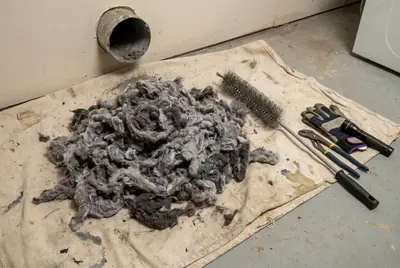
Actually, those long flexible tubes behind your clothes drying machine collect way more fuzzy debris than you think. Every single cycle pushes wet tiny fabric bits through your walls, where they stick like glue. Pretty soon your clothes take two hours to get totally dry. Frankly, that extra heat cooks your fine fabrics while pushing your electric bill through the roof!
Naturally, ignoring this build up creates a major safety risk right inside your laundry room walls. Overheated fuzz ignites fast because it lacks proper air flow to cool down. Furthermore, all that backed up moisture breeds gross mildew inside your walls. You end up smelling funky damp odors on your fresh sheets every single week.
Fortunately, fixing this mess just requires a quick visit from a local specialist who knows the job inside out. We clear out the entire pathway using long flexible rods and high powered vacuum systems. Therefore, your laundry machine breathes easy and dries a heavy load of towels in no time at all. You save money while sleeping better knowing your house stays completely safe.
Recognizing the Warning Signs in Your Home
To begin with, you might notice your utility room feeling like a hot tropical sauna during every single cycle. The top of your metal appliance gets super hot to the touch while running. Consequently, your favorite shirts shrink because the trapped heat has nowhere to go.
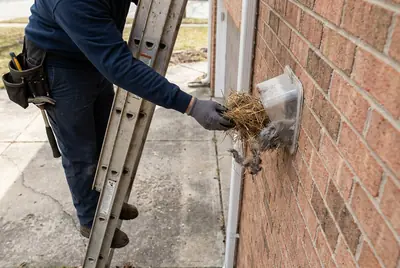
Besides that, the exterior wall vent flap stops opening up when your machine turns on. That little hood needs to swing wide open to dump all that humid air outside your house. Otherwise, heavy moisture rolls right back down into your machine drum. That causes rust and early machine failure pretty fast.
Understanding the Real Danger Behind Blocked Air Lines
Looking at the facts, dry lint stands out as one of the most flammable things in your entire house. A single spark from a heating element ignites that soft fuzzy wall in a split second. On top of that, blocked exhaust tubes force toxic carbon monoxide back inside homes that use gas powered drying units. That invisible gas puts your whole family in real danger without anyone noticing at first.
Suddenly, your monthly energy statements start creeping up higher and higher every summer. Running long double drying cycles burns up huge amounts of electricity or natural gas every month. What is worse, your hard working appliance motor grinds down prematurely under all that heavy pressure. Replacing a burnt out machine costs way more than a quick routine maintenance check.
Luckily, keeping those rear wall pipes clear eliminates these crazy hazards instantly. Fresh cool air flows naturally through your building walls straight to the outside cap. Ultimately, you protect your valuable real estate investment while dropping your monthly utility bill down low. Our friendly neighborhood crew handles the whole dirty process without making any mess on your clean floors.
How Built-up Moisture Ruin Your Walls
Interestingly, trapped warm air holds gallons of hidden water every time you wash your dirty laundry loads. That steamy vapor leaks right out of loose pipe joints inside your drywalls. Soon enough, dark mold colonies grow unseen behind your wooden trim and drywall panels.
Even worse, damp wooden wall studs attract nasty termites and wood rot around your utility closet. Fixing water damage costs a massive fortune compared to simple preventive pipe maintenance. Hence, getting those exhaust lines swept clear keeps your entire living space dry and totally healthy.
Local Factors Around America's Finest City
Living down here near the ocean brings plenty of glorious sunshine and cool coastal breezes. However, our heavy marine dampness mixes with coastal dust to create sticky thick clogs inside exhaust pipes. The local zip code zones like 92101, 92102, 92103, and 92104 experience plenty of salty humidity year round. That thick air makes fuzz cling tight to metal pipe elbows inside your house.
| Local Area Metric |
Statistical Value |
Impact on Laundry Systems |
| Regional Population |
1,401,932 Residents |
High volume laundry use causes quick build up |
| Median Household Income |
$75,456 Annually |
Saves money by avoiding expensive repairs |
| Primary Zip Codes |
92101 to 92104 |
Coastal air dampness sticks lint to pipe walls |
Specifically, across San Diego, California (CA), USA, local homeowners deal with unique home building styles that feature crazy long exhaust paths. Many multi story condos run thin metal pipe lines over twenty feet through garage ceilings. That extra length gives wet lint tons of space to settle down and choke off proper airflow. You need professional gear to reach deep inside those crazy long hidden wall tubes.
For example, high income neighborhoods where residents earn around the median bracket value their precious free time. Nobody wants to spend their whole weekend messing around with dirty vacuum hoses and dusty brushes. Hiring a skilled local service technician lets you enjoy our gorgeous local parks instead of sweating over laundry gear. We take care of everything fast while delivering pure peak performance for your modern home appliances.
Special Layouts in Modern California Multi-Story Houses
Clearly, modern architectural designs often place utility rooms right in the center of double story layouts. That smart setup saves floor space but forces pipe lines to climb straight up through roof caps. Over time, heavy gravity pulls damp lint down into compact bends where simple home tools cannot reach.
Remember that heavy roof vents require special ladder equipment to inspect and clear safely. Slipping off a high roof while cleaning out lint hoods leads to serious emergency room visits. Therefore, letting trained pros handle high elevation vent caps protects your personal safety completely.
Our Complete Step by Step Cleaning Method
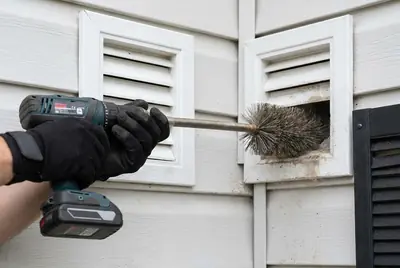
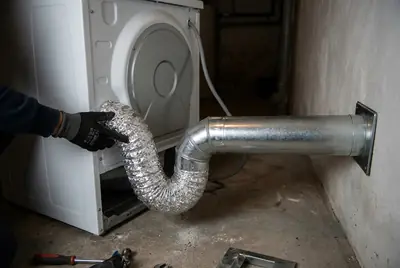
First off, we pull your appliance away from the wall to check the flexible connector piece. We look for flattened tubes or dangerous plastic hoses that break building codes everywhere. Next, we hook up powerful air compressor lines alongside specialized reverse spinning brush heads. That gear scrubs the inside metal walls without poking holes through soft elbow joints.
Meanwhile, our massive rotary suction machine captures every bit of flying dust before it hits your clean carpet. We clear out the entire length all the way to the exterior wall cap hood. Subsequently, we check the outer flap to make sure winter bugs cannot crawl inside your home wall cavity. You get smooth airflow and complete peace of mind in just one single visit.
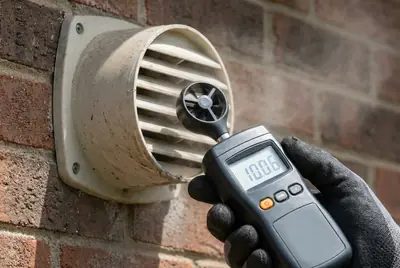
Finally, we run full pressure tests to confirm your machine pushes air out at factory spec speeds. This careful check proves your laundry setup operates at max efficiency again. As a result, your clothes dry quickly while enjoying full ease and smooth quiet operation. Your utility bill drops down to normal levels immediately after we wrap up the job.
Comparing Home DIY Methods to Professional Rotary Tools
Honesty matters, so let us talk about those cheap plastic brush kits sold at hardware stores. Those flimsy rods love to snap off deep inside your metal wall pipes during use. Extracting a broken plastic stick requires tearing down your drywall and spending thousands on home repairs.
Instead, commercial gear uses heavy duty flexible steel cables driven by professional grade motors. Our equipment bends around tight ninety degree corners without getting stuck or damaging your wall line seams. That high level precision guarantees your exhaust lines get fully cleared without any destructive accidents.
How To Extend The Life Of Your Laundry Gear
Initially, you should scrape off your slide out filter screen after every single load of laundry you wash. That easy habit stops heavy fuzz clouds from blowing into your deeper wall piping lines. Additionally, try to avoid overloading your wash drum with heavy wet towels all at once. Heavy loads create massive steam clouds that pack wet lint tight against smooth metal walls.
Along with that, switch out cheap white accordion plastic connector hoses for sturdy semi rigid metal pipes. Plastic hoses sag low and form deep traps where hot lint settles and catches fire. Upgraded aluminum ducting keeps air moving super fast while meeting strict local building safety guidelines. Small hardware upgrades like that keep your system running like new for decades.
Moreover, schedule a quick routine inspection with our local crew at least once every single year. Regular preventative maintenance stops huge clogs before they destroy your expensive heating elements or digital control boards. You save hundreds on premature appliance replacement costs over the long run. Plus, your laundry room stays fresh and completely free from strange burning smells.
Simple Maintenance Checks You Can Do Today
Just look behind your appliance to see if the flexible foil tube looks smashed flat against the drywall. Flattened tubes choke off outgoing air speed just like a kinked garden watering hose. Straightening out that hose instantly improves your machine drying speed today.
Also, walk outside your home while your laundry machine runs a full hot cycle. Feel the air blasting out of the external wall cap to verify strong air speed. If the air coming out feels like a tiny weak breeze, your inner pipes need help right away.
Get Your Free Estimate Right Now
Alright, you do not need to live with long two hour drying times or scary burning smells anymore. Our local family owned team stands ready to restore your home safety and fix your laundry issues today. We come straight out to your property, inspect your setup thoroughly, and hand you an honest quote without any hidden fees.
Now, taking action today protects your wallet and keeps your household completely safe from dangerous fires. Reach out to our local team now to request your 100% free quote and schedule your fast service check. We match your crazy busy schedule and get your home running smoothly in no time flat!