Getting Your Home Safer in Orange Ohio
Do you ever wonder why your laundry takes forever to dry? Well, clogged dryer exhaust lines cause high energy bills and potential house fires in Delaware County.
Truthfully, ignoring this maintenance chore invites disaster into your cozy dwelling. Therefore, addressing this issue right now protects your household from hidden dangers.
Meanwhile, local homeowners in this peaceful municipality face unique seasonal challenges with their mechanical laundry dryers. Because winter temperatures drop rapidly across the ZIP codes here, indoor appliances work overtime. Consequently, lint builds up much faster inside hidden metal piping.
Surprisingly, over three thousand residents share this charming community, and many neglect their exhaust pathways. Yet, ignoring trapped lint creates serious fire hazards that threaten your family's precious sanctuary.
By taking action today, you prevent costly appliance breakdowns and dangerous indoor fires. Ultimately, investing in professional maintenance gives you absolute peace of mind.
Why Lint Buildup Happens Fast
Every single time you dry a load of towels, tiny fibers escape the mesh trap. However, some of these microscopic particles bypass the screen and enter the flexible tubing behind the machine.
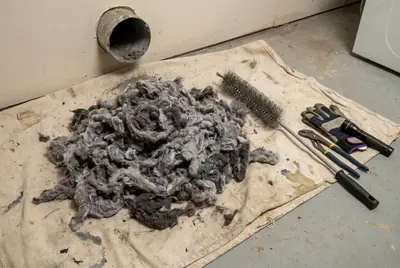
Over months of heavy usage, these stubborn fibers accumulate and form dense blockages. Thus, your appliance struggles to expel hot, humid air effectively.
When airflow drops, drying cycles stretch from forty minutes to well over two hours. Consequently, your monthly utility bills skyrocket without you even realizing the root cause.
Furthermore, heating elements inside the machine overheat dangerously when trapped moisture has nowhere to go. This overheating can easily ignite the flammable lint and spark a devastating residential blaze.
Fortunately, local technicians serving the 43035 region possess the right tools to clear out every single obstruction. Hiring a trusted crew ensures your exhaust system operates at peak performance all year long.
Signs Your Exhaust Needs Attention
Have you noticed your clothes feeling unusually hot to the touch after a standard cycle? Specifically, that excessive heat means trapped moisture is cooking your garments instead of escaping outdoors.
Another major warning sign is a burning smell lingering in your laundry room during operation. Ignoring this distinct odor is a massive gamble that you simply should not take.
Additionally, check the exterior vent flap outside your house while the appliance runs. If you barely feel any warm air pushing outside, a severe blockage definitely plagues your internal piping.
Equally important is noticing excess dust and humidity accumulating around your laundry equipment space. When lines plug up completely, air leaks out of joints and floods your utility room with lint-filled moisture.
Addressing these red flags early saves you from buying an expensive replacement appliance down the road. Local specialists arrive promptly at your property to inspect the entire setup from end to end.
The Hidden Costs of Neglected Tubing
Did you know that restricted airflow forces your motor to burn excessive electrical power? Naturally, this constant strain shortens the operational lifespan of your expensive laundry equipment.
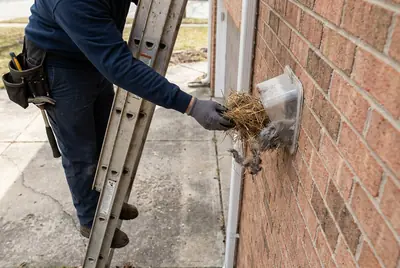
Besides wasting electricity, neglected metal channels invite destructive pests like rodents and insects to nest inside. These unwanted critters block the exit completely and create unsanitary conditions inside your walls.
Moreover, trapped humidity causes condensation to form behind drywall, which leads to toxic mold growth. Dealing with mold remediation costs thousands of dollars more than routine preventive maintenance.
Fortunately, with a median household income exceeding one hundred thousand dollars, investing in home upkeep remains entirely manageable for locals. Prioritizing this vital service protects your hard-earned property investments.
Securing professional intervention eliminates these costly headaches before they spiral out of hand. Your daily routine becomes smoother when your household appliances run efficiently and safely.
Our Comprehensive Clearing Process
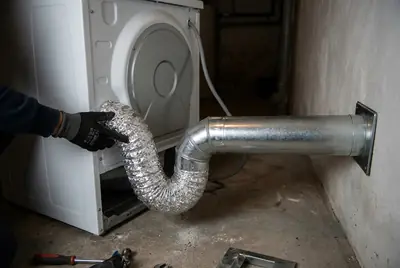
When local technicians arrive at your residence, they start with a thorough visual inspection of the entire pathway. They examine both the indoor transition hose and the exterior wall termination point.
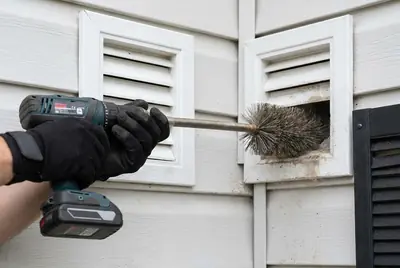
Next, specialized rotary brushes scrub the interior walls of the metal ductwork to dislodge hardened lint. High-powered vacuum systems simultaneously extract all loosened debris out of your house.
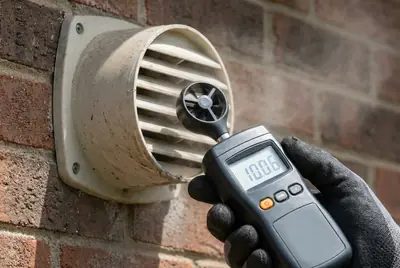
Following the deep scrub, experts test the airflow velocity to guarantee optimal performance has been restored. This meticulous verification step ensures no hidden clogs remain stuck in hard-to-reach elbows.
Furthermore, technicians check the outdoor damper flap to confirm it opens and closes freely without obstruction. A properly functioning exterior flap keeps out cold drafts and local wildlife.
This comprehensive method leaves your laundry system operating like brand new equipment. You instantly enjoy shorter drying times and lower monthly utility expenses.
Advanced Rotary Brush Technology
Traditional vacuuming alone fails to remove stubborn blockages clinging to corrugated metal walls. Therefore, professional crews utilize flexible rotating rods equipped with specialized bristle heads.
These rotating brushes aggressively scrub away years of baked-on lint without damaging your exhaust piping. Consequently, your lines become as clean as the day builders first installed them.
Negative Air Pressure Extraction
During the scrubbing phase, powerful containment systems pull all dislodged debris straight outside into collection bags. This ensures zero dust escapes into your living areas during the cleaning procedure.
Breathing clean indoor air matters just as much as keeping your appliances running safely. Hence, containment protocols protect your family from inhaling harmful mold spores and settled dust.
Comparing DIY Methods Versus Professional Help
Some handy homeowners attempt to clear their exhaust lines using cheap plastic kits bought from hardware stores. However, these consumer-grade brushes often snap off and get permanently stuck inside the metal tubing.
Furthermore, standard household vacuums lack the suction power needed to pull dense clogs through long vertical runs. You might push the blockage tighter instead of removing it successfully.
Professional contractors invest in commercial-grade equipment designed to reach deep behind walls and through multi-story homes. Their expertise guarantees a thorough job without risking damage to your residential structure.
Additionally, trained technicians spot hidden installation flaws that could violate local building safety codes. Fixing these structural issues prevents future hazards and keeps your family fully protected.
Choosing professional service ultimately saves you time, frustration, and potential emergency repair bills. Leave the dirty work to experienced local contractors who handle these tasks every single day.
Understanding Local Home Requirements
Residential properties in this charming Ohio community feature diverse architectural layouts requiring customized exhaust routing. Long duct runs with multiple 90-degree bends accumulate lint much faster than straight setups.
Local building codes dictate specific maximum lengths and approved metal materials for residential exhaust installations. Professional service providers stay updated on all regional regulations to keep your home compliant.
During spring and autumn seasons, changing weather patterns bring heavy rains and shifting humidity levels. These environmental factors interact with trapped dust, creating dense blockages inside exterior terminations.
Proactive maintenance tailored to regional conditions ensures your laundry setup withstands local climate shifts effortlessly. Partnering with nearby specialists guarantees your equipment receives the exact care it requires.
Enjoy total peace of mind knowing your household meets every local safety standard without hassle. Protecting your investment starts with understanding your specific property layout.
Frequently Asked Questions
How often should homeowners schedule professional cleaning for their laundry exhaust lines? Generally speaking, experts recommend booking an annual service to keep your household completely safe.
What if my exhaust line runs upward through the roof instead of out the side wall? Roof terminations require specialized rooftop access, which trained local technicians handle safely using proper equipment.
Does the cleaning process create a mess inside my laundry room area? Absolutely not, because professional contractors use high-powered negative air vacuums to capture every particle.
How long does a typical service appointment take from start to finish? Most standard residential appointments are completed within one single hour of meticulous work.
Are estimates for this specialized service really provided without any upfront costs? Yes indeed, local providers happily offer complimentary consultations so you know the exact price beforehand.
Take Action for a Safer Home
Protecting your family from hidden fire hazards requires immediate and decisive action today. Delaying this crucial maintenance puts your valuable property at unnecessary risk every single week.
Fortunately, securing professional assistance takes just a few moments of your busy schedule. Friendly local contractors are standing by to answer all your technical questions.
Experience the satisfaction of shorter laundry cycles and significantly lower monthly energy expenditures. Your household deserves the ultimate safety upgrade right now.
Reach out to schedule your professional service appointment and eliminate potential fire risks for good. Claim your complimentary estimate today and restore peak efficiency to your home appliances.