Keeping your laundry setup safe and efficient in the local area
You likely value a home that runs smoothly without hidden dangers lurking behind your walls. Cleaning out the lint that builds up in your venting system is the best way to prevent fires and ensure your clothes dry quickly.
Most folks in the quiet community of 43065 assume their machines work perfectly fine until they notice their shirts are still damp. This buildup of debris inside those metallic tubes creates a serious blockage that restricts airflow significantly. You really need to think about how much fuzzy residue escapes the machine during every single cycle.
When you live in this part of Delaware County, you want to keep your household running at peak performance. That is why staying ahead of this maintenance task protects your house and saves you money on energy bills every month. A clear path for hot air means your hardware does not have to work twice as hard to finish the job.
Why ignored lint causes big problems
You might wonder why those pipes need so much attention when you already clean the little screen inside the machine. That screen only catches a small portion of the fluff generated by your laundry, while the rest escapes into the ducting. Over time, this sneaky material gathers in corners and curves like a ticking time bomb waiting to ignite.
Because the average household in this beautiful Ohio region has a high median income, you probably invested in top-tier appliances that deserve proper care. Keeping the pathway clear prevents the overheating that often ruins heating elements or thermal fuses. You stop paying for expensive repair visits when you simply keep the exhaust system flowing freely.
Another benefit is that your laundry cycle finishes much faster than before. You spend less time waiting around for a second round of heat. This gives you more free time for your family or hobbies instead of babysitting a machine that just cannot seem to get the job done right.
The risks you might be ignoring
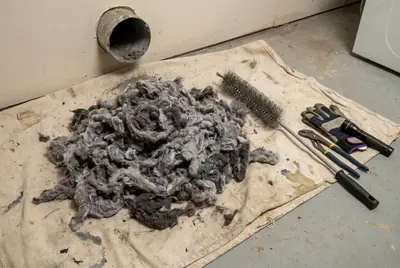
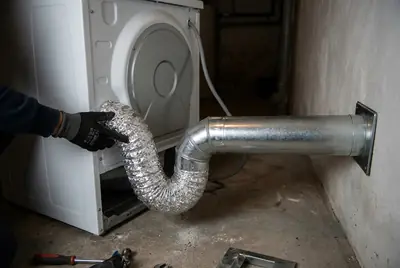
If you have never looked inside the flexible or rigid piping attached to your laundry exhaust, you might be shocked by what you find. Thick layers of flammable gray fuzz hide inside the ridges of those metal tubes. This material acts like kindling that catches fire the moment the temperature gets too high for the motor to handle.
Actually, many house fires start exactly in these hidden passages because of sheer neglect. You do not want to be a statistic when a simple maintenance check keeps your property safe. Bringing in a local professional to inspect these lines provides a level of ease that you simply cannot buy anywhere else.
Besides the fire risk, there is the issue of moisture getting trapped inside your wall cavities. When air cannot escape, it condenses and turns into damp patches that encourage mold growth. You definitely want to avoid those nasty problems because they are difficult to fix once they start spreading through your home construction.
What to expect from a professional service
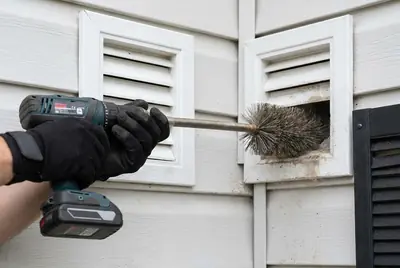
You probably think this is just a quick vacuuming job, but it involves specialized brushes and high-pressure air tools. We navigate the twists and turns of your venting system from the machine all the way to the exterior wall cap. Getting rid of every last bit of lint ensures that the system works like new again.
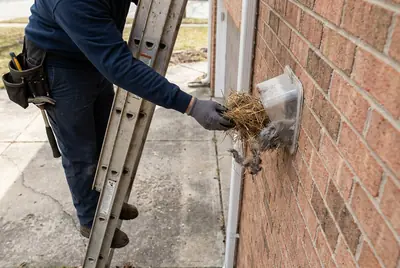
Furthermore, we check the exterior flapper to make sure birds and rodents have not made a home in there. This is a common issue for homeowners with a population of over twelve thousand neighbors. We make sure the exit point stays clear so that air exits without any resistance or back pressure.
Taking this step ensures that your indoor environment remains pleasant and dry. You get the advantage of a professional assessment that spots potential damage before it becomes a major disaster. Our team arrives prepared with all the right equipment to handle any length or configuration of ductwork you have.
| Service Feature |
Your Benefit |
| Deep brush agitation |
Removes stubborn clogs |
| High-pressure air sweep |
Clears entire line length |
| Exterior vent inspection |
Prevents animal intrusion |
| System efficiency check |
Lowers monthly utility costs |
Signs that you need a professional touch
You should pay attention to how your clothing feels after a standard cycle finishes. If you touch the fabric and it is still hot and damp, your machine is begging for help. That is a clear sign that the moisture has nowhere to go because the exit route is partially obstructed by years of debris.
Also, notice if the top of your appliance feels unusually hot when it is running. That heat should be heading outside, not staying in your laundry room. When it stays put, you are essentially paying to heat your walls instead of drying your shirts. This makes no sense when you could resolve it so easily.
You might even notice a burning smell, which is a major red flag that you should not ignore for even one more day. That odor usually happens when lint touches the hot heating element near the exhaust port. You should turn everything off immediately and call for an inspection to keep your family and belongings safe from harm.
Understanding the local environment
Living in this specific area means you deal with changing seasons that affect how your home operates. Your venting system stays under stress all year long as you switch between heavy winter blankets and light summer linens. Keeping that path open ensures your equipment lasts much longer than it would otherwise.
Because many homes here are built with modern standards, the ventilation runs are often longer and have more turns. This makes them prone to trapping more lint than older, simpler setups. You need a partner who understands the complexities of these systems to ensure nothing gets missed during the cleaning process.
We pride ourselves on being efficient and thorough so you can get back to your regular routine. You deserve a partner who respects your time and your property by leaving everything spotless. Our goal is to make sure you never have to worry about this part of your home maintenance again.
How to get your free estimate
You might be curious about the cost of keeping your home safe and efficient. We believe in transparency, which is why we provide a free quote for every single customer. You simply reach out to us, and we evaluate your specific setup to give you a fair price for the work.
There are no hidden fees or surprises when we arrive to do the job. You get a clear explanation of what we will do and why it helps your specific situation. This lets you make an informed decision without any pressure at all. You feel a sense of harmony knowing you have done the right thing for your house.
Maybe you are wondering if it is time to schedule this service. If it has been more than a year since the last time you checked, the answer is definitely yes. Do not wait for a warning sign to appear because prevention is always much cheaper than fixing a broken system or dealing with a fire.
Maintaining your peace of mind
You want your home to be a sanctuary where everything functions perfectly. When you clear out the obstructions from your exhaust system, you eliminate one major source of worry. You know that your laundry is being handled in a way that is safe and energy efficient.
Everything we do follows a strict process to ensure complete removal of all debris. We use brushes that scrub the interior walls of the pipe to loosen everything that has stuck over time. Then, the high-pressure air blast sends the remaining dust flying out the back of the house.
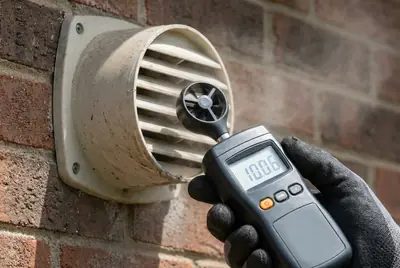
Finally, we double-check the airflow to prove that the system is pulling strong. You can actually feel the difference in the exhaust force outside. This verification gives you the confidence to use your equipment every day without thinking twice about it. You can finally enjoy the quiet operation you expected when you bought your machines.
Why our approach works for you
You probably appreciate a service that gets straight to the point. We focus on the task of clearing out those hidden passages so your house stays in great shape. We do not try to sell you things you do not need because we value your trust above all else.
Our method is simple and effective. You get a thorough cleaning that leaves no space for future clogs to start growing. We treat your property with the same care we would use on our own homes. This ensures a level of satisfaction that keeps our neighbors calling us year after year.
On top of that, we are always happy to answer any questions you might have about your specific layout. You learn how to keep things running better between our visits by following a few simple tips. We love helping folks maintain their property in this great part of the country.
Take the next step today
You have all the information you need to make a smart choice for your household. Protecting your investment and your family is the most important thing you can do as a homeowner. Do not let another month go by with a potential hazard hiding in your wall.
Getting in touch for your free estimate is the first step toward a safer and more efficient home. You will be surprised at how much better everything runs when the air can move freely again. We look forward to helping you get your laundry system back into perfect working order soon.
Reach out whenever you are ready to see the difference for yourself. You will appreciate the dedication and care we bring to every single house in the area. Let us take care of this dirty job so you can focus on the things that truly matter to you and your loved ones.